


7 Powerful Truths About Theory vs Practical Learning in IT Degrees in Nepal
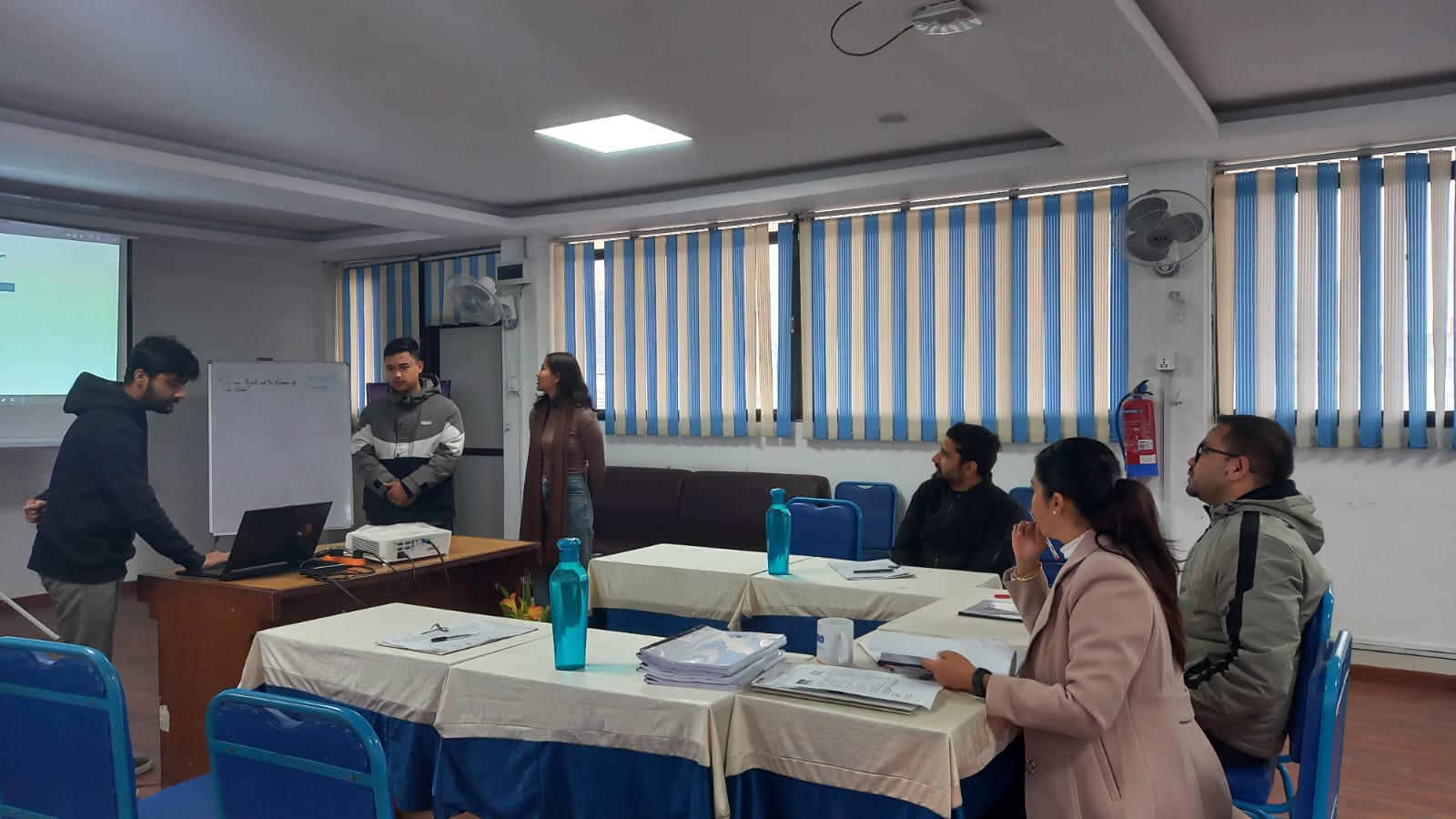
Theory vs practical learning in IT degrees is one of the most important discussions for students in Nepal who are trying to build a future in technology. Alongside this, understanding IT education in Nepal, practical skills in IT students, theoretical knowledge in IT, and IT career readiness in Nepal becomes essential before choosing a degree. Many students feel confused when they realize that scoring well in exams does not always translate into real-world skills, especially in IT fields like programming, cybersecurity, and data science.
Table of Contents
- Theory vs practical learning in IT degrees: Understanding the Core Debate
- IT education in Nepal: Why theory dominates classrooms
- Practical skills in IT students: Why hands-on experience matters
- Theoretical knowledge in IT: Building the foundation
- Theory vs practical learning in IT degrees in real Nepali student life
- IT career readiness Nepal: The gap between college and industry
- Balancing theory vs practical learning in IT degrees effectively
- Role of colleges in improving IT education in Nepal
- Practical skills in IT students through labs, projects, and internships
- Theoretical knowledge in IT in advanced learning and research
- IT career readiness Nepal through real-world exposure
- Future of theory vs practical learning in IT degrees in Nepal
Part 1: Theory vs practical learning in IT degrees: Understanding the Core Debate
The discussion around theory vs practical learning in IT degrees begins with a simple question: what actually makes a student job-ready? For many Nepali students, IT education starts with textbooks, lectures, and exams. These are necessary, but they often create a gap between what students know and what they can actually do.
In most classrooms across Nepal, students spend hours learning programming syntax, database definitions, and networking concepts. However, when asked to build a real application or debug a system, many struggle. This is where the debate becomes real. Theory provides understanding, but practical learning builds confidence and ability.
For example, a BCA student in Kathmandu may score high marks in C programming theory but fail to create a functional project independently. This shows that knowing concepts is not the same as applying them. On the other hand, students who participate in coding bootcamps or build personal projects often develop stronger problem-solving skills.
Modern IT careers demand more than memorization. Employers look for students who can build systems, work in teams, and adapt to new technologies. This means both theory and practical learning must go together, not compete with each other.
The key takeaway here is simple: theory vs practical learning in IT degrees is not about choosing one over the other. It is about understanding how both contribute to building a complete IT professional. This sets the stage for examining how IT education in Nepal currently handles this balance.
Part 2: IT education in Nepal: Why theory dominates classrooms
IT education in Nepal has traditionally focused more on theoretical knowledge than practical application. This is largely influenced by exam-based evaluation systems, where students are rewarded for writing correct answers rather than demonstrating real skills.
In many colleges affiliated with universities like Tribhuvan University, the curriculum is structured around lectures and written exams. Students learn subjects like data structures, operating systems, and networking through classroom teaching, but the practical component is often limited. Labs exist, but they are sometimes treated as secondary rather than central to learning.
This approach comes from an older academic model where knowledge was measured through memory and understanding rather than application. Even today, many students prepare for exams by memorizing definitions instead of building projects. As a result, they graduate with degrees but lack confidence in real-world tasks.
However, modern educational frameworks are slowly changing this. Institutions are beginning to adopt models that integrate both theory and practice. For instance, the idea that learning should go beyond textbooks and include real-world experiences is strongly emphasized in modern academic approaches . This shift highlights the importance of experiential learning alongside classroom teaching.
A typical example in Nepal is a student who completes four years of IT education but struggles during their first internship because they have never worked on live systems. This reflects a systemic issue rather than an individual failure.
Understanding why theory dominates helps students become more aware of their own learning gaps. It also prepares them to actively seek practical exposure, which becomes the focus of the next part.
Part 3: Practical skills in IT students: Why hands-on experience matters
Practical skills in IT students are what ultimately determine success in the real world. While theory helps you understand how systems work, practical experience teaches you how to build, fix, and improve those systems.
In Nepal, many students realize the importance of practical learning only after entering internships or job environments. For example, a student who knows database theory may not know how to design and deploy a real database system for a business. This gap becomes evident during job interviews or project work.
Hands-on learning includes activities like coding projects, hackathons, internships, and lab experiments. These experiences allow students to apply concepts in real scenarios. They also help in developing problem-solving skills, which are essential in IT careers.
Modern IT programs are increasingly focusing on practical exposure. For instance, learning environments that include AI labs, coding platforms, and real-world simulations help students turn theoretical knowledge into functional systems . This kind of environment encourages experimentation and innovation.
Consider a Nepali student who builds a simple mobile app during college. Even if the app is basic, the process of creating it teaches more than multiple theoretical exams. The student learns debugging, user experience, and deployment—skills that are directly relevant to jobs.
The main takeaway is that practical skills are not optional in IT—they are essential. Without them, even the strongest theoretical knowledge remains incomplete. This leads us to the importance of theory itself, which should not be ignored.
Part 4: Theoretical knowledge in IT: Building the foundation
Theoretical knowledge in IT plays a crucial role in shaping how students think and solve problems. Without a strong theoretical base, practical skills can become shallow and limited.
Theory helps students understand why systems work the way they do. For example, learning algorithms is not just about coding them but understanding efficiency and optimization. Similarly, studying networking theory helps students design better systems rather than just following instructions.
In Nepal, students often underestimate theory because they associate it with memorization. However, true theoretical understanding is different. It involves critical thinking, analysis, and the ability to apply concepts in new situations.
Educational models emphasize that knowledge, skills, and abilities must be aligned for effective learning. Theory forms the “knowledge” part, which supports practical “skills” and higher-level “abilities” like problem-solving and innovation . Without this foundation, students may struggle when faced with complex challenges.
A good example is a student working in cybersecurity. Without understanding theoretical concepts like encryption and network protocols, they cannot effectively protect systems, even if they know how to use tools.
The key is not to reject theory but to learn it deeply and meaningfully. When students connect theory with real applications, they gain a much stronger understanding.
This balance becomes more visible when we look at real student experiences in Nepal, which is explored in the next part.
Part 5: Theory vs practical learning in IT degrees in real Nepali student life
The reality of theory vs practical learning in IT degrees becomes clear when we look at everyday student experiences in Nepal. Many students enter IT programs with excitement but gradually feel disconnected from real-world skills.
For example, a student in their second year of BSc. CSIT may spend most of their time preparing for exams. They study operating systems, software engineering, and mathematics, but rarely build projects outside assignments. By the time they reach their final year, they realize they lack a strong portfolio.
On the other hand, some students take initiative. They learn online, participate in coding competitions, and work on freelance projects. These students often perform better in interviews, even if their academic scores are average.
This difference highlights a key issue: the system alone cannot ensure practical learning. Students must actively seek opportunities. However, colleges also play a role in creating environments that encourage hands-on experiences.
Modern programs are starting to address this gap by integrating labs, workshops, and project-based learning. Students are encouraged to build systems, collaborate in teams, and solve real problems. This aligns with the idea that learning should extend beyond classrooms and include real-world experiences .
A relatable example is a student who joins a tech club and participates in hackathons. Over time, they gain confidence, improve coding skills, and build a strong portfolio.
The takeaway is that real learning happens when theory and practice meet in daily student life. This directly impacts career readiness, which we explore next.
Part 6: IT career readiness Nepal: The gap between college and industry
IT career readiness in Nepal is one of the biggest concerns for students graduating from IT degrees. Many students find it difficult to transition from academic life to professional environments.
The main reason is the gap between what is taught in colleges and what is required in the industry. Companies expect graduates to be familiar with tools, frameworks, and real-world workflows. However, many students have only theoretical exposure.
For instance, a company hiring a web developer expects knowledge of frameworks like React or backend technologies. But a student may have only studied basic HTML and theoretical concepts of software engineering. This mismatch creates challenges during job applications.
Educational frameworks highlight the importance of integrating internships, projects, and industry collaborations to prepare students for real-world challenges . These experiences help students understand how knowledge is applied in professional settings.
A common example in Nepal is students who struggle during their first job because they are unfamiliar with team collaboration tools, version control systems, or real deadlines. These are not taught in traditional classrooms but are essential in the workplace.
The solution lies in bridging this gap through practical exposure, mentorship, and self-learning. Students who take initiative to learn beyond the syllabus often adapt faster.
This part shows that career readiness is not just about completing a degree—it is about developing skills that match industry needs. This leads naturally into the next section, where we explore how to balance theory and practical learning effectively.
Part 7: Balancing theory vs practical learning in IT degrees effectively
Balancing theory vs practical learning in IT degrees is not something that happens automatically—it requires conscious effort from both students and institutions. In Nepal, many students either focus too much on exams or completely ignore theory while chasing practical skills. Both extremes create long-term problems.
A balanced approach begins with understanding that theory provides direction while practical learning provides execution. For example, when a student studies data structures, the theory helps them understand efficiency and logic. But unless they implement those structures in code, the learning remains incomplete. Similarly, blindly coding without understanding concepts leads to weak fundamentals.
A practical way to balance both is through integrated learning. Students can study a concept and immediately apply it through small projects. For instance, after learning database normalization, they can design a real database for a small business scenario. This creates a direct connection between classroom knowledge and real-world application.
Modern academic approaches emphasize this integration. Learning models are designed to align knowledge, skills, and abilities so that students not only understand concepts but can also apply and extend them in practical situations . This structured balance ensures deeper learning.
A Nepali example would be a student preparing for exams while also building a portfolio on GitHub. Instead of seeing these as separate tasks, they combine them. The result is both good grades and strong practical skills.
The key takeaway is that balance is not about dividing time equally but about connecting theory and practice in every learning step. This naturally brings us to the role institutions play in shaping this balance.
Part 8: Role of colleges in improving IT education in Nepal
Colleges play a crucial role in shaping how students experience theory vs practical learning in IT degrees. While students must take initiative, the environment provided by institutions significantly influences learning outcomes.
In Nepal, many colleges are now shifting from purely lecture-based teaching to more interactive and application-focused methods. This includes project-based learning, lab sessions, and industry collaborations. These changes are aligned with modern teaching approaches such as problem-based learning and experiential learning, which emphasize active student participation .
Some institutions are also investing in advanced facilities like AI labs, coding environments, and collaborative workspaces. These spaces allow students to experiment, build projects, and work in teams. For example, environments that include high-performance systems, AI tools, and development platforms enable students to move beyond theory and create real solutions .
Another important role of colleges is mentorship. Faculty guidance can help students connect theoretical concepts with practical applications. For instance, a teacher guiding a project on machine learning can help students understand both the mathematical theory and the implementation process.
A relatable example is a college that organizes hackathons and workshops regularly. Students who participate gain exposure to real-world problems and learn how to work under pressure. This experience cannot be replaced by traditional exams.
The takeaway is that colleges must act as facilitators of learning, not just providers of information. When institutions actively support practical learning, students are better prepared for real-world challenges.
Part 9: Practical skills in IT students through labs, projects, and internships
Practical skills in IT students are best developed through structured experiences like labs, projects, and internships. These are not just additional activities—they are essential components of modern IT education.
Labs provide the first level of hands-on exposure. In a well-designed lab, students can experiment with code, networks, and systems in a controlled environment. This helps them understand how theoretical concepts behave in real scenarios. For example, networking labs allow students to configure routers and simulate real systems.
Projects take this learning further. When students work on projects, they face real challenges such as debugging errors, managing time, and collaborating with others. This process builds confidence and problem-solving ability. A final-year project, for instance, often becomes a student’s first major practical achievement.
Internships are where learning becomes truly real. In Nepal, many IT students gain their first industry exposure through internships in software companies or startups. During this time, they learn professional tools, workflows, and communication skills. They also understand industry expectations, which helps bridge the gap between education and employment.
Educational frameworks highlight that hands-on labs, tool-based assignments, and real-world projects are essential for developing practical competencies and preparing students for professional environments . These experiences transform students from learners into practitioners.
A common example is a student who completes an internship in a software company. They learn version control, teamwork, and client communication—skills that cannot be taught through theory alone.
The takeaway is clear: practical skills are built through doing, not just studying. This naturally leads us to the continued importance of theory in advanced learning.
Part 10: Theoretical knowledge in IT in advanced learning and research
While practical skills are essential for immediate job readiness, theoretical knowledge in IT becomes increasingly important in advanced learning and research. Students who aim for higher studies or specialized fields must have a strong conceptual foundation.
In areas like artificial intelligence, cybersecurity, and data science, theory plays a critical role. Understanding algorithms, mathematical models, and system design principles allows students to innovate rather than just implement existing solutions.
For example, a student working on machine learning needs to understand probability, statistics, and optimization techniques. Without this theoretical base, they may be able to use tools but will struggle to develop new models or improve existing ones.
Educational philosophies emphasize that learning should go beyond surface-level skills and focus on deeper understanding, critical thinking, and innovation . This is especially important in IT, where technologies evolve rapidly.
A Nepali student pursuing a master’s degree abroad often realizes the importance of theory when faced with research-oriented tasks. Those with strong theoretical backgrounds adapt more easily and perform better.
The key takeaway is that theory is not just for exams—it is the foundation for innovation and long-term growth. When combined with practical skills, it creates a powerful learning experience.
Part 11: IT career readiness Nepal through real-world exposure
IT career readiness in Nepal improves significantly when students are exposed to real-world environments during their studies. This exposure helps them understand industry expectations and develop relevant skills.
Real-world exposure can come from internships, freelance work, industry projects, and networking events. These experiences allow students to interact with professionals, understand workplace culture, and apply their knowledge in practical situations.
For example, a student who works on freelance web development projects gains experience in dealing with clients, managing deadlines, and delivering results. These skills are highly valued by employers.
Educational systems increasingly emphasize industry collaboration, mentorship, and project-based learning to prepare students for careers . These initiatives help students transition smoothly from academic life to professional environments.
Another example is participation in tech communities or clubs. Students who engage in these activities often learn faster and build strong networks, which can lead to job opportunities.
The takeaway is that career readiness is built through experience. The more exposure students have, the more confident and capable they become.
Part 12: Future of theory vs practical learning in IT degrees in Nepal
The future of theory vs practical learning in IT degrees in Nepal is moving toward a more integrated and student-centered approach. Traditional lecture-based methods are gradually being replaced by interactive, technology-driven learning environments.
Emerging trends include AI-driven learning, project-based curricula, and industry partnerships. These changes aim to ensure that students are not only knowledgeable but also skilled and adaptable.
For instance, modern IT programs now include AI labs, cybersecurity simulations, and cloud computing platforms. These tools allow students to work on real-world problems and develop practical expertise alongside theoretical understanding .
There is also a growing emphasis on lifelong learning. IT professionals must continuously update their skills to keep up with changing technologies. This means students must develop the ability to learn independently and adapt quickly.
You May Also Explore
To deepen your understanding of IT education and career pathways, you can explore more from Kathford:
- BSc. CSIT Program Details
- Admissions Information
- Latest Events and Workshops
- Student Clubs and Activities
- Kathford Blog Resources
The future is clear: students who combine strong theoretical knowledge with practical skills will have the best opportunities. This balance will define the next generation of IT professionals in Nepal.
Conclusion
Theory vs practical learning in IT degrees is not a competition but a partnership. For Nepali students, success in IT depends on how well they can connect what they learn in classrooms with what they build in real life. By actively seeking practical exposure while strengthening theoretical understanding, students can become confident, skilled, and career-ready professionals.
FAQs
1. What is the difference between theory and practical learning in IT degrees?
Theory focuses on understanding concepts, while practical learning involves applying those concepts in real-world scenarios. Both are necessary for complete learning.
2. Why is practical learning important for IT students in Nepal?
Practical learning helps students develop real skills like coding, problem-solving, and system design, which are essential for jobs in the IT industry.
3. Is theoretical knowledge still important in IT careers?
Yes, theoretical knowledge provides the foundation for understanding complex systems and is essential for advanced roles and innovation.
4. How can students balance theory and practical learning?
Students can balance both by applying concepts through projects, internships, and continuous practice alongside their academic studies.
5. What skills make IT students job-ready in Nepal?
A combination of programming skills, problem-solving ability, communication, and real-world project experience makes students job-ready.
6. Do colleges in Nepal provide enough practical exposure?
Some colleges are improving by offering labs, projects, and internships, but students often need to take extra initiative to gain practical experience.
See more articles like this

BE Computer in Nepal is one of the most sought-after choices among +2 Science students interested in technology, but what happens if your entrance...

A safe rank for engineering is one of the first things Nepali students start searching for after the IOE entrance result, especially when comparing...

Choosing to study management after +2 is an exciting step, but many students ask one important question: How difficult is the BBA or BBM...