


IT Course Difficulty Nepal: 7 Honest Truths for Average Students (Hard or Easy?)
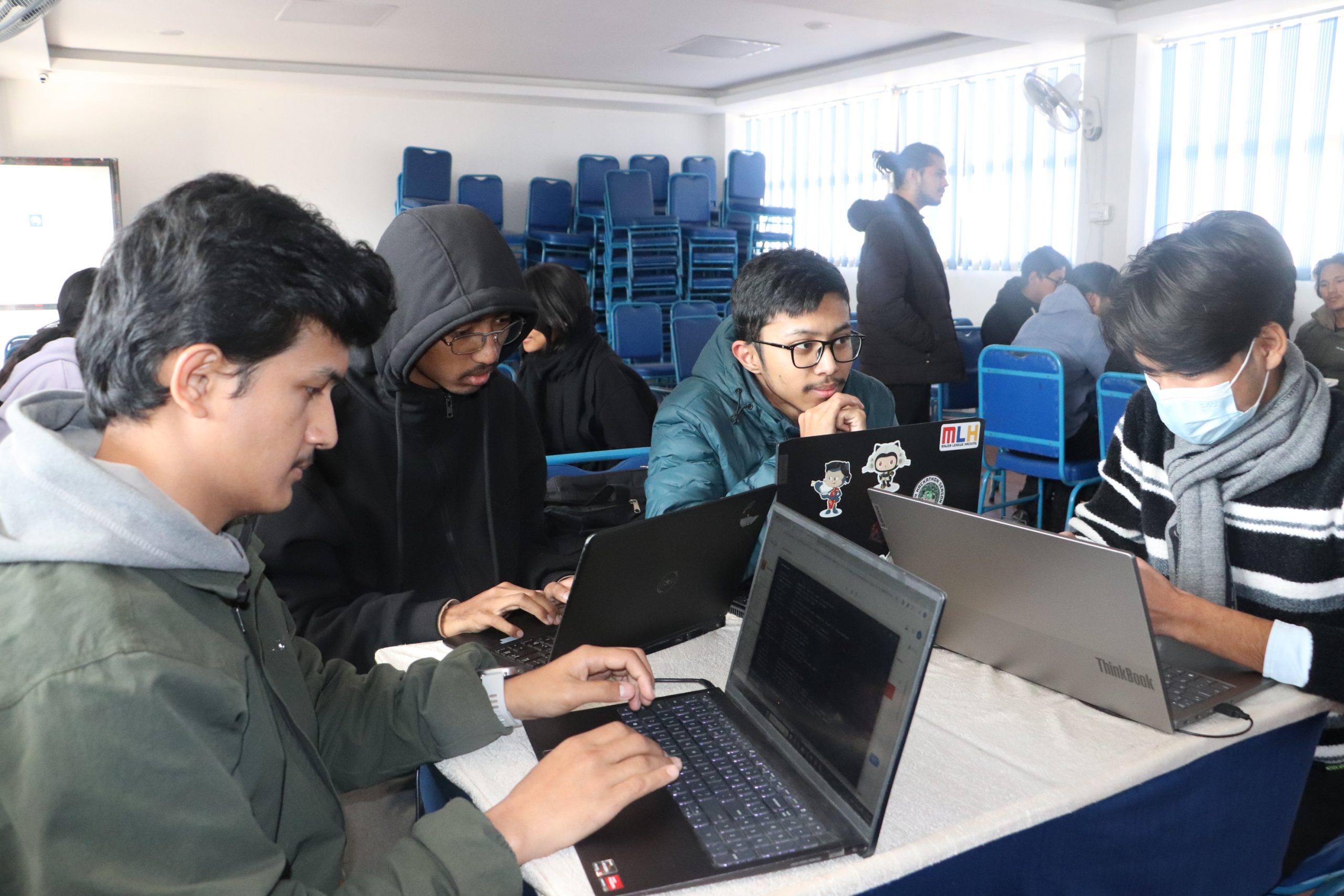
IT course difficulty Nepal is one of the biggest concerns for students asking is IT course difficult in Nepal or can average students study IT Nepal. Many also wonder whether IT is an easy or hard course in Nepal for average students. Whether you’re considering an IT course in Nepal, exploring the IT course difficulty level, comparing computer science vs IT Nepal, worrying if IT is good for average students, or thinking about IT career Nepal, this guide will help you understand the reality in a clear and honest way.
Table of Contents
- Understanding IT Course Difficulty Level for Beginners
- Why IT Course Difficulty Nepal Feels High at First
- Is IT Course Difficulty Nepal Manageable for Average Students?
- Computer Science vs IT Nepal – Which Has Lower IT Course Difficulty Nepal?
- Real Structure of IT Course Nepal and What Students Study
- How Teaching Methods Reduce IT Course Difficulty Level
- Common Struggles Average Students Face in IT Course Nepal
- Skills That Matter More Than Intelligence in IT
- Role of Practical Learning in IT Course Nepal
- Time Management and Study Habits for IT Students
- Career Motivation: IT Career Nepal as a Driving Force
- Final Reality Check: Can Average Students Succeed in IT?
Part 1: Understanding IT Course Difficulty Level for Beginners
When students first hear about IT courses, the biggest fear they have is about the IT course difficulty level. Many imagine coding as something only “genius” students can do. This belief is especially common among average students in Nepal who may not have strong confidence in mathematics or technical subjects.
In reality, IT is not inherently difficult—it is unfamiliar. The difficulty often comes from exposure rather than intelligence. For example, a student from a government school in Kathmandu who has never used programming before may feel overwhelmed in the first semester. However, this is similar to learning any new language. At first, everything feels confusing, but with consistent practice, patterns start to make sense.
According to academic models like the Kathford Learning Experience Model, IT education is not just about theory but also about building skills step by step through labs, projects, and collaboration . This means students are not expected to understand everything instantly—they grow into it.
The key takeaway is simple: IT feels difficult at the beginning because it is new, not because it is impossible. Once students adjust to the learning style, the perceived difficulty reduces significantly.
Part 2: Why IT Course Difficulty Nepal Feels High at First
The initial shock of IT courses often comes from how different they are compared to school education in Nepal. Most students are used to memorization-based learning in +2, but IT requires logic, application, and problem-solving.
For example, in subjects like programming, you cannot simply memorize answers. A student in Lalitpur studying C programming might understand theory but struggle to write actual code during exams. This creates the impression that IT is extremely difficult.
Another major reason is the pace of learning. IT courses introduce multiple new concepts at once—programming, databases, networking, and algorithms. Without proper guidance, this can feel overwhelming. However, institutions that follow structured teaching approaches help reduce this pressure. For instance, Kathford admissions focus on preparing students through orientation and academic planning so they are not lost from day one.
Additionally, many students compare themselves to peers who already have prior coding experience. This creates unnecessary fear. In reality, most students start from zero, and progress depends more on consistency than prior knowledge.
Teaching methodologies also play a big role. Modern institutions use active learning, project-based learning, and lab sessions instead of only lectures. These methods help students understand concepts practically rather than theoretically, making IT more approachable.
So, the difficulty at the beginning is not because IT is too hard, but because the learning style is completely different from what students are used to.
Part 3: Computer Science vs IT Nepal – Which Has Lower IT Course Difficulty Nepal?
One of the biggest myths in Nepal is that IT is only for “topper” students. This is simply not true. In fact, IT is one of the best fields for average students because it rewards effort more than natural talent.
Consider a student from Bhaktapur who scored average marks in +2 science. Initially, they may feel they are not capable of handling programming or data structures. But with daily practice—just one to two hours of coding—they can gradually improve. Unlike subjects that rely heavily on memorization, IT allows students to build skills over time.
Programs like BCA at Kathford are designed for students from diverse academic backgrounds, including management students. This shows that IT is not limited to science toppers.
Moreover, the IT field values skills over grades. A student who builds projects, participates in hackathons, or contributes to real-world applications often has better career opportunities than someone with only high marks.
Kathford also supports students through clubs and activities such as student clubs, where students collaborate, learn from peers, and gain practical exposure. These environments help average students grow faster because they learn by doing, not just studying.
The reality is that IT is not about being extraordinary from the beginning. It is about becoming better every day. For average students who are willing to put in consistent effort, IT is not just manageable—it can be highly rewarding.
Part 4: Comparing Computer Science vs IT Nepal: Which Is Easier?
Many students confuse IT with computer engineering or computer science and assume they are equally difficult. Understanding the difference between computer science vs IT Nepal helps reduce unnecessary fear.
Computer engineering focuses more on hardware, electronics, and complex mathematical concepts. It involves subjects like microprocessors, circuits, and embedded systems. This can be more challenging for students who are not comfortable with physics and mathematics.
On the other hand, IT courses like BCA or BSc CSIT focus more on software, programming, and applications. While there is still logic and problem-solving involved, the learning curve is generally more practical and less theoretical.
For example, a student in computer engineering might need to understand how a processor works at a hardware level, while an IT student focuses on building software applications using programming languages like Python or Java.
Institutions like Kathford bridge this gap by integrating modern tools, AI labs, and hands-on learning into both fields. Through initiatives like workshops and innovation labs, students get exposure to real-world applications rather than just theory.
If you are an average student who prefers practical learning and application-based subjects, IT is generally more approachable than computer engineering. However, both fields require dedication and consistent effort.
The key is to choose based on your interest, not fear. Difficulty becomes manageable when you are genuinely interested in what you are learning.
Part 5: Real Structure of IT Course Nepal and What Students Study
Understanding the structure of an IT course helps students realize that the difficulty is distributed gradually, not all at once. IT programs in Nepal are designed to build knowledge step by step.
In the first year, students typically study basic programming, mathematics, and computer fundamentals. These subjects are meant to create a strong foundation. For example, a student in Kathmandu starting BSc CSIT will begin with C programming and digital logic, which introduce core concepts slowly.
In the second year, subjects become more application-based, including data structures, databases, and object-oriented programming. At this stage, students start building small projects, which helps them connect theory with practice.
By the third and fourth years, the focus shifts to advanced topics like networking, cybersecurity, and software engineering. Students also work on major projects and internships, which prepare them for real-world IT careers.
Kathford’s approach emphasizes hands-on learning, internships, and industry collaboration. Events like <a href=”https://kathford.edu.np/events”>college events and workshops</a> provide additional exposure to current technologies and trends.
The structured progression ensures that students are not overwhelmed. Each semester builds on the previous one, making learning more manageable.
So, while IT may seem difficult from the outside, the curriculum is carefully designed to support gradual learning and skill development.
Part 6: How Teaching Methods Reduce IT Course Difficulty Level
The way IT is taught plays a huge role in how difficult it feels. Traditional lecture-based teaching can make IT seem abstract and confusing. However, modern teaching methods significantly reduce the IT course difficulty level.
Kathford follows a student-centered learning approach that goes beyond textbooks. According to its academic philosophy, education should integrate theoretical knowledge with real-world experiences, encouraging critical thinking and practical skills development .
For example, instead of only teaching programming theory, students are given lab assignments where they write and test code. This hands-on approach helps them understand concepts faster and retain knowledge longer.
Project-based learning is another important method. Students work on real-world problems, such as developing a simple web application or analyzing data. This not only improves technical skills but also builds confidence.
Peer learning also plays a role. In many IT classes, students collaborate on projects and help each other solve problems. This creates a supportive learning environment where average students can grow without feeling isolated.
Kathford also provides access to innovation spaces and labs where students can experiment with technologies like AI, data science, and cloud computing. These opportunities make learning interactive and engaging.
The conclusion is clear: IT is not difficult because of the subject itself, but because of how it is taught. When teaching methods focus on practical learning and student engagement, even average students can succeed comfortably.
Part 7: Common Struggles Average Students Face in IT Course Nepal
Even though IT is manageable, it is important to honestly understand the struggles that average students face. Ignoring these challenges creates unrealistic expectations, which often leads to frustration later.
One of the most common struggles is programming fear. A student from Pokhara who joins BCA without prior coding experience may feel lost during the first few weeks. Writing even a simple program can seem confusing. This is normal because programming requires logical thinking that most students have not practiced before.
Another challenge is consistency. IT is not a subject you can study only before exams. Many students in Nepal try to follow old habits—studying just a week before exams—which does not work in IT. For example, if a student skips practice in data structures for months, they will struggle to understand even basic algorithms later.
The English language can also be a barrier. Since most IT resources, documentation, and tutorials are in English, students who are not comfortable with the language may find it difficult to follow along. However, this improves gradually with exposure.
Time management is another issue. Students often get distracted by social media or underestimate the time needed for assignments and projects. In IT courses, deadlines are frequent, and missing practice time can quickly create a backlog.
Kathford addresses these challenges through mentoring, workshops, and academic support systems that help students stay on track and improve gradually. These support systems are part of a broader student-centered learning approach that ensures no student is left behind .
The important takeaway is that these struggles are common and temporary. Every IT student goes through them, and with the right mindset and support, they can be overcome.
Part 8: Skills That Matter More Than Intelligence in IT
A major misconception among Nepali students is that IT requires high IQ or exceptional intelligence. In reality, success in IT depends more on habits and skills than raw intelligence.
One of the most important skills is problem-solving. For example, a student working on a coding assignment in Kathmandu may not get the correct output on the first attempt. Instead of giving up, they need to debug, analyze errors, and try again. This persistence is what builds real ability.
Consistency is another key factor. A student who practices coding for one hour every day will outperform someone who studies intensely only during exams. IT rewards daily effort, not last-minute preparation.
Curiosity also plays a big role. Students who explore beyond the syllabus—watching tutorials, building small projects, or experimenting with new tools—tend to learn faster. For instance, a student who tries to build a simple website outside of class gains practical experience that textbooks alone cannot provide.
Kathford emphasizes these skills through its learning model, which focuses on developing analytical thinking, collaboration, and innovation alongside technical knowledge . This ensures that students are not just memorizing concepts but actually learning how to apply them.
Communication and teamwork are equally important. IT projects often involve working in groups, where students need to share ideas and solve problems together. This prepares them for real-world IT jobs.
The conclusion is clear: IT is not about being naturally smart. It is about being consistent, curious, and willing to learn from mistakes.
Part 9: Role of Practical Learning in IT Course Nepal
One of the biggest reasons IT is not as difficult as it seems is the strong focus on practical learning. Unlike traditional subjects, IT allows students to learn by doing.
For example, instead of only studying database theory, students create actual databases using tools like MySQL. This hands-on approach helps them understand concepts more clearly. A student in Lalitpur who builds a small student management system will remember database concepts far better than someone who only reads about them.
Kathford integrates practical learning through labs, projects, and innovation platforms. The college’s AI and Innovation Lab provides students with access to tools like Python, machine learning frameworks, and real-world datasets, allowing them to work on meaningful projects .
Hackathons, workshops, and coding competitions also play an important role. Events like Kathford blogs and tech insights often highlight student participation in such activities, showing how practical exposure enhances learning.
Internships are another key component. Students get the opportunity to work in real companies, where they apply their knowledge to solve actual problems. This not only builds confidence but also reduces the fear of IT being too difficult.
Practical learning makes IT more engaging and less intimidating. When students see the real-world application of what they are learning, it becomes easier to understand and more enjoyable to study.
Part 10: Time Management and Study Habits for IT Students
Success in IT depends heavily on how students manage their time and develop study habits. Many average students struggle not because the subject is too hard, but because they do not follow the right approach.
A common mistake is procrastination. For example, a student in Kathmandu might delay starting a programming assignment until the last day. This leads to stress and incomplete understanding. IT requires regular practice, not last-minute effort.
Creating a daily routine can make a huge difference. Even dedicating one to two hours a day for coding practice, revision, and project work can significantly improve performance. Small, consistent efforts build strong skills over time.
Another effective habit is learning by doing. Instead of only reading notes, students should try writing code, solving problems, and building small projects. This active approach helps them understand concepts more deeply.
Group study can also be helpful. Discussing problems with friends or classmates allows students to see different perspectives and solutions. Many students in Nepal find that they learn faster when they collaborate with peers.
Kathford supports students through structured academic planning and continuous evaluation, ensuring that learning is spread throughout the semester rather than concentrated at the end .
The key takeaway is that IT is manageable with the right habits. Students who stay consistent and organized find the course much easier than those who rely on last-minute preparation.
Part 11: Career Motivation: IT Career Nepal as a Driving Force
One of the strongest reasons students push through the challenges of IT courses is the career opportunities they offer. Understanding the potential of an IT career in Nepal can motivate students to stay committed.
The IT industry in Nepal is growing rapidly, with opportunities in software development, data science, cybersecurity, and cloud computing. A student who completes an IT course can work in local companies, startups, or even remote international jobs.
For example, many Nepali students who start as average learners eventually become skilled developers and secure jobs in companies or freelance platforms. Their success is not based on initial talent but on continuous learning and skill development.
Kathford prepares students for these opportunities through industry collaborations, internships, and skill-based training. Programs include exposure to modern tools, certifications, and real-world projects, ensuring students are job-ready.
The college also organizes events, workshops, and networking opportunities through, helping students connect with professionals and understand market demands.
When students see the bigger picture—the possibility of a stable career, good income, and global opportunities—they become more motivated to overcome difficulties.
The conclusion is simple: IT may be challenging at times, but the career rewards make the effort worthwhile.
Part 12: Final Reality Check: Can Average Students Succeed in IT?
After understanding all aspects, it is time for an honest answer: yes, average students can absolutely succeed in IT.
The idea that IT is only for toppers is a myth. What matters more is consistency, practice, and willingness to learn. A student who starts with basic knowledge can gradually develop strong technical skills over time.
Kathford’s learning model proves this by focusing on holistic development—combining academic knowledge with practical skills, critical thinking, and real-world exposure . This approach ensures that students are not judged solely on grades but on their overall growth.
A student from a modest academic background in Nepal can start with simple programs, move on to building projects, and eventually work on advanced technologies like AI or cybersecurity. The journey may not be easy, but it is definitely achievable.
You May Also Explore
If you are still exploring your options, you can check out academic programs at Kathford to understand different IT and engineering paths. You may also find insights from student blogs helpful, along with updates from recent events and workshops and opportunities through student clubs and activities that support your learning journey.
In the end, IT is not about being extraordinary from the start. It is about growing step by step, learning from mistakes, and staying consistent.
Conclusion
IT courses may seem difficult at first, especially for average students in Nepal, but the reality is very different from the fear. The difficulty comes from unfamiliarity, not impossibility. With proper guidance, consistent practice, and the right learning environment, IT becomes manageable and even enjoyable.
Students who focus on building skills rather than worrying about difficulty often succeed. Whether you choose BCA, BSc CSIT, or another IT-related program, your success will depend more on your effort than your starting point.
FAQs
1. Are IT courses very difficult for average students?
IT courses are not inherently difficult. They may feel challenged at first due to unfamiliar concepts like programming, but with consistent practice, average students can manage them effectively.
2. Can a weak student succeed in IT in Nepal?
Yes, success in IT depends more on consistency and practice than academic background. Many average students in Nepal build strong IT careers through dedication and skill development.
3. Is IT easier than computer engineering in Nepal?
Generally, IT is more practical and less focused on hardware and advanced mathematics compared to computer engineering, making it more approachable for many students.
4. How many hours should IT students study daily?
Studying 1–2 hours daily with regular coding practice is usually enough to build strong skills over time.
5. Do IT courses require strong mathematics?
Basic mathematics is helpful, but most IT courses focus more on logic and problem-solving rather than advanced mathematics.
See more articles like this


BE Computer in Nepal is one of the most sought-after choices among +2 Science students interested in technology, but what happens if your entrance...

A safe rank for engineering is one of the first things Nepali students start searching for after the IOE entrance result, especially when comparing...

Choosing to study management after +2 is an exciting step, but many students ask one important question: How difficult is the BBA or BBM...