


Engineering After +2 Science: The Challenging but Rewarding Reality
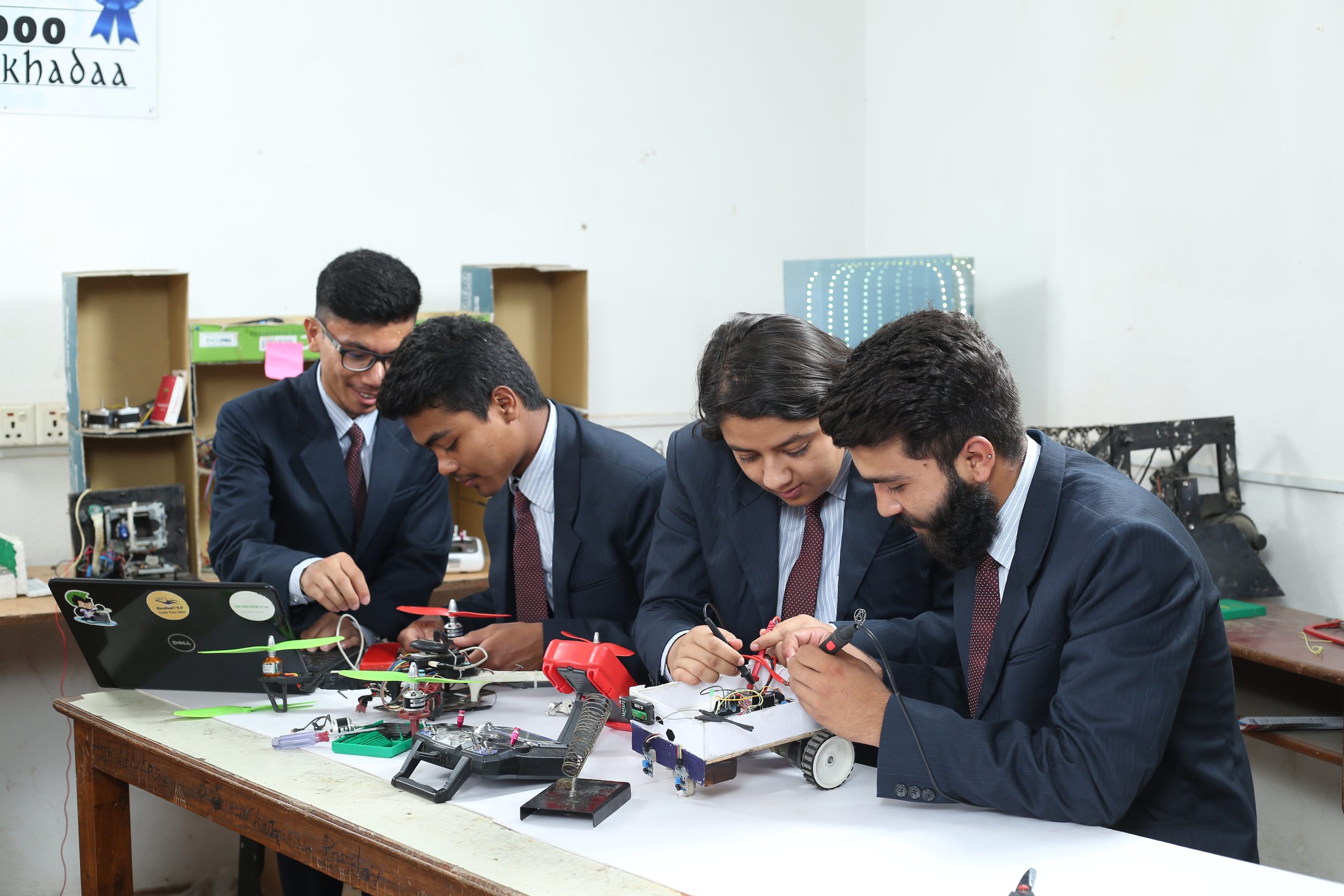
Engineering after +2 science is often imagined as a straight path to success, but the reality is much deeper, more challenging, and ultimately more transformative than most students expect. For many Nepali students stepping out of +2 science, engineering studies Nepal feels like the “next logical step,” yet very few truly understand what engineering student life Nepal actually looks like. Whether you choose BE Civil Engineering Nepal or computer engineering Nepal, the journey is not just about studying formulas—it is about becoming a problem-solver, thinker, and creator.
Table of Contents
- Engineering after +2 science: The expectation vs reality
- Engineering studies Nepal: How the academic journey actually begins
- Engineering student life Nepal: The first-year shock
- BE Civil Engineering Nepal vs computer engineering Nepal: Choosing your path
- Engineering after +2 science: The role of practical learning and labs
- Engineering student life Nepal: Time management and pressure
- Engineering studies Nepal: The importance of consistency over intelligence
- Engineering student life Nepal: Group work, teamwork, and communication
- Engineering after +2 science: Internships and real-world exposure
- Engineering student life Nepal: Dealing with failure and backlogs
- Engineering studies Nepal: Career paths after graduation
- Engineering after +2 science: Is it really worth it?
Part 1: Engineering after +2 science: The expectation vs reality
The moment students complete +2 science in Nepal, engineering often appears as a prestigious and secure path. Many families encourage it, teachers recommend it, and society tends to value it highly. However, engineering after +2 science is not simply about entering a respected field—it is about committing to a demanding and evolving learning journey. Students often expect structured learning similar to school, but engineering studies Nepal quickly breaks that assumption.
In reality, the transition is sharp. Unlike +2, where success often comes from memorization and exam preparation, engineering student life in Nepal requires deep understanding, problem-solving, and independent thinking. For example, a student who scored well in Physics in +2 may struggle when faced with Engineering Mechanics or Calculus because the depth and application level increase significantly. This shift can feel overwhelming in the beginning, especially when students realize that understanding concepts matters more than memorizing answers.
At institutions like BE Civil Engineering program, students are introduced early to real-world applications such as structural analysis and infrastructure design, which are far beyond textbook theory. Similarly, computer engineering Nepal students are expected to move from basic programming concepts to building real systems and solving logical problems. This gap between expectation and reality is one of the biggest early challenges.
Ultimately, engineering after +2 science is not about being “good at science” alone. It is about adapting to a new way of thinking. Students who accept this shift early tend to perform better and experience less frustration. The key takeaway is simple: engineering is not harder—it is just different, and understanding that difference is the first step toward success.
Part 2: Engineering studies Nepal: How the academic journey actually begins
Starting engineering studies in Nepal is not just about joining a college—it is about entering a structured yet intense academic system that gradually builds your technical identity. From the very first semester, students are exposed to foundational subjects like Mathematics, Physics, and Engineering Drawing, which serve as the backbone for all future learning. These early courses are not optional stepping stones; they are critical in shaping how students approach complex engineering problems later.
According to the structured curriculum design in engineering programs, early semesters focus heavily on building foundational literacy and technical understanding before moving into specialized subjects . For example, a BE Civil Engineering Nepal student will begin with core concepts before eventually progressing into fields like geotechnical engineering, transportation systems, and environmental engineering. Similarly, computer engineering Nepal students start with programming basics and gradually move toward data structures, networking, and machine learning.
The shift is not just academic—it is also methodological. Unlike school, engineering student life Nepal introduces students to lab work, assignments, and project-based learning from the beginning. At Kathford, this approach is guided by a philosophy that learning goes beyond classrooms, integrating real-world experiences, creativity, and hands-on activities . This means students are expected to actively participate, ask questions, and engage with problems rather than passively listen to lectures.
For instance, a first-year student might struggle with Engineering Drawing initially but later realize its importance when working on design projects. This progression is intentional. Engineering studies Nepal is designed in such a way that each semester builds on the previous one, ensuring that by the final year, students are capable of handling real-world engineering challenges independently.
The key takeaway is that the beginning of engineering is not about immediate mastery but about building a strong base. Students who focus on understanding concepts in the early stages find the later years much more manageable and meaningful.
Part 3: Engineering student life Nepal: The first-year shock
The first year of engineering student life Nepal is often described as the most challenging—not because the subjects are impossible, but because everything changes at once. Students move from a highly guided school environment to a system that expects independence, discipline, and self-motivation. This sudden shift creates what many call the “first-year shock.”
In the first few months, students are introduced to multiple technical subjects simultaneously, along with practical labs and assignments. For example, a student studying computer engineering Nepal might have to manage programming assignments, lab reports, and mathematics problem sets all at once. Similarly, BE Civil Engineering Nepal students must balance theoretical classes with fieldwork and drawing sessions. This workload can feel overwhelming, especially for those who are not used to managing their own time.
However, the challenge is not just academic. Social adjustment also plays a major role. Students meet peers from different backgrounds, compete with equally capable classmates, and often face comparison pressure. At the same time, many are living away from home for the first time, adding emotional and personal adjustments to the mix.
Institutions like Kathford try to ease this transition through student-centered learning and supportive academic environments. Programs are designed to encourage collaboration, teamwork, and communication skills alongside technical knowledge . This means students are not expected to succeed alone—they are encouraged to work in groups, participate in discussions, and seek help when needed.
A common real-life example is a student who struggles in the first semester but improves significantly after adapting to the system. This pattern is very common in engineering studies in Nepal. The first year is less about performance and more about adjustment.
The takeaway here is that the first-year shock is normal. Every engineering student goes through it. The ones who succeed are not necessarily the smartest but those who adapt quickly, stay consistent, and learn how to manage both academic and personal challenges effectively.
Part 4: BE Civil Engineering Nepal vs computer engineering Nepal: Choosing your path
One of the most important decisions after +2 science is choosing between different engineering fields. Among the most popular options in Nepal are BE Civil Engineering Nepal and computer engineering Nepal. While both fall under engineering studies in Nepal, their nature, learning style, and career outcomes are quite different.
BE Civil Engineering Nepal focuses on physical infrastructure—roads, bridges, buildings, water systems, and more. Students learn subjects like structural analysis, fluid mechanics, and construction management. The learning is a mix of classroom theory, fieldwork, and practical design projects. For example, students may visit construction sites or work on real-world design problems, which helps them understand how engineering concepts apply outside textbooks.
On the other hand, computer engineering Nepal is centered around software, hardware, and digital systems. Students study programming, networking, cybersecurity, and artificial intelligence. Their learning is more lab-based, involving coding, debugging, and system design. A typical assignment might involve building a software application or solving algorithmic problems.
The difference also extends to career paths. Civil engineers often work in construction companies, government projects, or infrastructure development, while computer engineers may work in IT companies, startups, or even remote international jobs. Both fields have strong demand, but the type of work and required skills differ significantly.
At Kathford, both programs are designed with a strong focus on real-world application and industry readiness. For example, students are encouraged to participate in internships, projects, and workshops that prepare them for professional environments. This aligns with the broader goal of developing not just knowledge but also practical skills and abilities .
The key takeaway is that there is no “best” engineering field—only the one that fits your interest and strengths. Students who choose based on genuine interest tend to enjoy the journey more and perform better in the long run.
Part 5: Engineering after +2 science: The role of practical learning and labs
One of the biggest differences students notice in engineering after +2 science is the strong emphasis on practical learning. Unlike school education, where theory dominates, engineering studies Nepal integrates labs, projects, and real-world applications into almost every subject. This shift is essential because engineering is not just about understanding concepts—it is about applying them.
For example, in BE Civil Engineering Nepal, students do not just study structural analysis in theory; they also use tools like CAD software, participate in fieldwork, and work on design projects. These experiences help them understand how buildings and infrastructure are actually planned and constructed. Similarly, in computer engineering Nepal, students spend a significant amount of time in labs writing code, testing systems, and building applications.
Kathford’s approach to education strongly supports this hands-on learning philosophy. Through initiatives like the AI and Innovation Lab, students are given access to advanced tools, collaborative spaces, and real-world project opportunities that go beyond traditional classroom learning . This environment encourages experimentation, creativity, and innovation, which are critical for modern engineers.
A real example could be a student working on a group project to design a smart traffic system using AI or developing a structural model for earthquake-resistant buildings. These projects not only enhance technical skills but also build confidence and teamwork abilities.
The key takeaway is that practical learning is not an extra part of engineering—it is the core of it. Students who actively engage in labs, projects, and hands-on activities gain a deeper understanding and are better prepared for real-world challenges.
Part 6: Engineering student life Nepal: Time management and pressure
Time management is one of the most critical skills in engineering student life in Nepal, yet it is also one of the most difficult to master. Unlike +2 science, where schedules are often fixed and guided, engineering after +2 science requires students to take full responsibility for managing their time.
Students must balance lectures, lab sessions, assignments, projects, and exam preparation—all within limited time. For instance, a computer engineering Nepal student might have a programming assignment due the same week as a mathematics exam, while a BE Civil Engineering Nepal student might be working on a design project alongside regular classes. This overlapping workload creates constant pressure.
However, this pressure is not necessarily negative. In fact, it is designed to prepare students for real-world professional environments where multitasking and deadlines are common. According to the broader learning philosophy, engineering education focuses not only on technical knowledge but also on developing life and career skills such as adaptability, responsibility, and self-direction .
A common real-life example is a student who initially struggles to meet deadlines but gradually learns to prioritize tasks, plan ahead, and work efficiently. Over time, these skills become second nature, helping them perform better both academically and professionally.
The key takeaway is that time management is not something students are born with—it is something they develop through experience. Engineering student life Nepal may feel stressful at times, but it also teaches valuable skills that stay with students long after graduation.
Part 7: Engineering studies Nepal: The importance of consistency over intelligence
As students progress further into engineering studies in Nepal, one important realization begins to take shape: success in engineering is less about being naturally “brilliant” and more about being consistent. Many students enter engineering after +2 science believing that only toppers or exceptionally smart individuals can succeed. However, engineering student life Nepal quickly proves that steady effort often beats raw intelligence.
In the classroom, concepts build on one another. For example, in BE Civil Engineering Nepal, understanding structural analysis depends heavily on earlier subjects like Engineering Mechanics and Mathematics. If a student ignores these foundational topics, they will struggle later. Similarly, in computer engineering Nepal, advanced topics like data structures or machine learning require a strong grasp of programming basics. This layered learning structure means that missing one step can create gaps that grow over time.
This is where consistency becomes critical. A student who studies a little every day, completes assignments on time, and regularly revises concepts will gradually build strong understanding. On the other hand, a student who relies on last-minute preparation often finds it difficult to cope with the depth of engineering subjects.
Kathford’s academic approach supports this gradual and continuous learning process by aligning coursework, labs, and assessments in a structured way that reinforces knowledge over time . Students are encouraged to engage regularly with their studies rather than treating exams as the only goal.
A real-life example is very common: two students start at the same level, but one maintains consistent effort while the other studies only before exams. By the final year, the consistent student often has better understanding, confidence, and practical skills.
The key takeaway is that engineering is a long-term journey. Consistency, discipline, and patience matter far more than short bursts of effort. Students who understand this early tend to experience less stress and more steady growth throughout their engineering studies in Nepal.
Part 8: Engineering student life Nepal: Group work, teamwork, and communication
Another major aspect of engineering student life in Nepal that many students underestimate is the importance of teamwork. Unlike school education, where most work is individual, engineering after +2 science involves a significant amount of group-based learning, including projects, lab work, and presentations.
In BE Civil Engineering Nepal, students often work in teams to design structures, analyze construction problems, or conduct field studies. These tasks require coordination, discussion, and shared responsibility. Similarly, in computer engineering Nepal, group projects may involve building software systems where each member handles different components such as frontend, backend, or database management.
This collaborative approach is not accidental. Engineering in the real world is rarely a solo effort. Large infrastructure projects, software development, and technological innovations all require teams of engineers working together. Therefore, engineering studies Nepal intentionally develops communication and interpersonal skills alongside technical knowledge.
According to the learning framework, teamwork and communication are essential abilities that students must develop through projects, presentations, and collaborative activities . This means students are expected to express ideas clearly, listen to others, resolve conflicts, and contribute effectively to group goals.
A common example is a group project where one member is technically strong but struggles to communicate, while another member excels at organizing and presenting ideas. Both roles are important, and together they create a successful outcome.
The takeaway is that engineering student life Nepal is not just about individual performance. Learning to work with others, communicate effectively, and contribute to a team is equally important for long-term success in engineering careers.
Part 9: Engineering after +2 science: Internships and real-world exposure
As students move into later years, engineering after +2 science becomes increasingly focused on real-world exposure. This is where internships, field visits, and industry projects play a crucial role in shaping a student’s career path. Engineering studies Nepal is designed not only to teach theory but also to prepare students for practical challenges they will face after graduation.
In BE Civil Engineering Nepal, students often participate in site visits, construction projects, and internships with engineering firms. These experiences help them understand how theoretical concepts are applied in real-life infrastructure development. For example, a student might learn about soil mechanics in class and then see its application during a field survey or construction project.
Similarly, computer engineering Nepal students gain experience through internships in IT companies, startups, or freelance projects. They might work on software development, cybersecurity tasks, or data analysis, gaining skills that cannot be fully learned in classrooms alone.
Kathford emphasizes this real-world integration through its learning model, which includes internships, mentorship, and industry collaboration as key components of student development . This approach ensures that students graduate with not only academic knowledge but also practical experience and professional readiness.
A typical example is a student who completes an internship during their third year and later secures a job in the same company. This pathway is becoming increasingly common in engineering student life in Nepal.
The key takeaway is that internships are not optional—they are essential. Students who actively seek real-world experience during their engineering studies in Nepal gain a significant advantage in terms of skills, confidence, and employability.
Part 10: Engineering student life Nepal: Dealing with failure and backlogs
One of the most honest realities of engineering student life in Nepal is that failure is not uncommon. Many students who performed well in +2 science experience their first academic setbacks during engineering. This may come in the form of failed exams, backlogs, or difficulty understanding certain subjects.
While this can be discouraging, it is also an important part of the learning process. Engineering after +2 science is designed to challenge students and push them beyond their comfort zones. Subjects are more complex, expectations are higher, and the level of independence required is greater.
The key difference lies in how students respond to these challenges. Some students become demotivated, while others use failure as a learning opportunity. For example, a student who fails a mathematics course may initially feel discouraged but later improves by focusing on understanding concepts and practicing regularly.
Kathford’s student-centered approach emphasizes continuous evaluation, feedback, and support systems to help students overcome such challenges . This means students are not left alone to deal with failure—they are guided and supported throughout their journey.
A real-life scenario often seen is a student who has backlogs in the early semesters but gradually clears them and performs strongly in later years. This highlights an important truth: early struggles do not define a student’s entire engineering journey.
The takeaway is that failure is not the end—it is part of the process. Engineering student life Nepal teaches resilience, adaptability, and persistence, which are valuable skills far beyond academics.
Part 11: Engineering studies Nepal: Career paths after graduation
As students approach the final stages of engineering studies in Nepal, one of the biggest questions they face is: “What next?” Engineering after +2 science opens up multiple career paths, but the direction depends on the student’s interests, skills, and experiences gained during their studies.
For BE Civil Engineering Nepal graduates, career opportunities often include roles in construction companies, government projects, consulting firms, and infrastructure development. Many also pursue further studies or specialize in fields like structural engineering or environmental engineering.
On the other hand, computer engineering Nepal graduates have a wide range of opportunities in IT companies, software development, cybersecurity, data science, and even remote international jobs. The demand for skilled computer engineers continues to grow, making it a popular choice among students.
Kathford’s learning approach focuses on preparing students for these diverse career paths by integrating professional development, internships, and skill-building activities into the academic journey . This ensures that students are not only academically qualified but also industry-ready.
A common example is a student who starts with a general interest in engineering but gradually discovers a specific passion, such as software development or structural design, and builds a career in that area.
The key takeaway is that engineering does not limit your options—it expands them. Students who actively explore different opportunities during their studies are better positioned to make informed career decisions after graduation.
Part 12: Engineering after +2 science: Is it really worth it?
After understanding all aspects of engineering student life in Nepal, the final question remains: is engineering after +2 science really worth it? The answer depends on how a student approaches the journey.
Engineering is not an easy path. It requires effort, patience, and continuous learning. There will be challenges, moments of self-doubt, and periods of stress. However, it also offers opportunities for growth, skill development, and meaningful careers. Students who embrace the process, stay consistent, and actively engage in learning often find the experience rewarding.
At institutions like Kathford, the focus is not just on academic success but on holistic development—building technical skills, critical thinking, creativity, and real-world readiness . This approach ensures that students graduate as well-rounded individuals capable of adapting to changing industries and technologies.
A realistic example is a student who starts engineering with uncertainty but gradually develops confidence, gains skills, completes internships, and eventually builds a successful career. This transformation is what makes engineering worthwhile.
You May Also Explore
If you are considering engineering studies Nepal, you can explore more through these resources:
You may want to check out the Computer Engineering program to understand how software and AI careers are built. For those interested in infrastructure and construction, the Civil Engineering program provides detailed insights. If you are preparing to apply, visit the Admissions page for eligibility and process. You can also explore student activities through Kathford clubs and communities and stay updated with campus life via events and news.
The final takeaway is simple: engineering after +2 science is worth it if you are willing to grow through the journey. It is not just a degree—it is a transformation.
Conclusion
Engineering after +2 science is not just about choosing a degree—it is about choosing a path that challenges, shapes, and prepares you for real-world problems. From the first-year shock to internships and career decisions, engineering student life Nepal is a journey of continuous learning and growth. Whether you choose BE Civil Engineering Nepal or computer engineering Nepal, what truly matters is your willingness to adapt, stay consistent, and engage deeply with the process.
FAQs
1. What is engineering after +2 science like in Nepal?
Engineering after +2 science in Nepal is challenging but rewarding. It involves deep conceptual learning, practical labs, projects, and real-world exposure. Students must adapt to independent study and time management.
2. Is engineering student life Nepal very stressful?
Engineering student life in Nepal can be stressful due to workload and deadlines, but it also helps students develop important skills like discipline, teamwork, and problem-solving.
3. Which is better: BE Civil Engineering Nepal or computer engineering Nepal?
Both fields are good but depend on your interest. BE Civil Engineering Nepal focuses on infrastructure, while computer engineering Nepal focuses on software, IT, and emerging technologies.
4. Do engineering students in Nepal get internships?
Yes, most engineering studies Nepal programs include internships, fieldwork, and industry exposure, which are essential for gaining practical experience.
5. Is engineering after +2 science worth it?
Yes, engineering after +2 science is worth it if you are committed to learning and growth. It offers strong career opportunities and valuable life skills.
6. How difficult is engineering compared to +2 science?
Engineering is more application-based and concept-driven than +2 science. It is not necessarily harder but requires a different approach to learning.
See more articles like this


BE Computer in Nepal is one of the most sought-after choices among +2 Science students interested in technology, but what happens if your entrance...

A safe rank for engineering is one of the first things Nepali students start searching for after the IOE entrance result, especially when comparing...

Choosing to study management after +2 is an exciting step, but many students ask one important question: How difficult is the BBA or BBM...