


10 Amazing In-Demand IT Careers Beyond Software Development You Should Consider
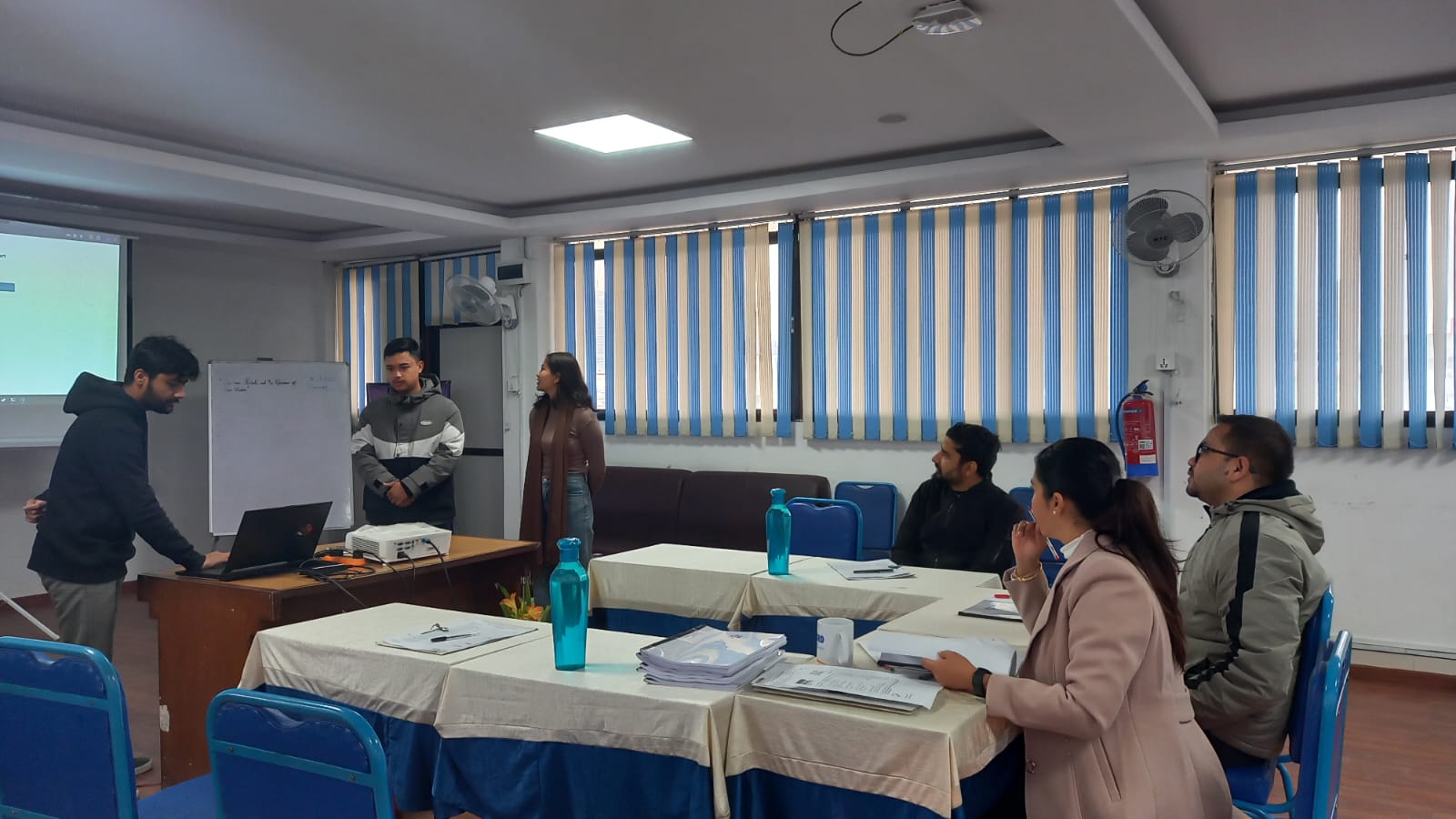
IT careers beyond software development are becoming one of the most important conversations for students in Nepal today, especially as the IT industry expands far beyond coding jobs. Many students searching for IT career options Nepal, non coding IT jobs, future of IT careers, and IT skills for students Nepal often assume that programming is the only path—but that is no longer true. The modern IT landscape is deeply interconnected with data, business, security, design, and communication, creating diverse opportunities for students with different strengths and interests.
Table of Contents
- Part 1: Understanding IT Careers Beyond Software Development
- Part 2: Why IT Career Options in Nepal Are Expanding Rapidly
- Part 3: Non Coding IT Jobs That Are Growing in Demand
- Part 4: Data Science and Analytics as an IT Career Option Nepal
- Part 5: Cybersecurity Careers and IT Skills for Students Nepal
- Part 6: UI/UX Design and Creative IT Careers Beyond Software Development
- Part 7: IT Project Management as a Non Coding IT Job
- Part 8: Cloud Computing and Infrastructure Careers in IT Career Options Nepal
- Part 9: Digital Marketing and IT Skills for Students Nepal
- Part 10: AI, Innovation, and the Future of IT Careers
- Part 11: Building IT Skills for Students Nepal Through Education
- Part 12: Choosing the Right Path in IT Careers Beyond Software Development
Part 1: Understanding IT Careers Beyond Software Development
When most Nepali students think about IT, they imagine coding late at night, debugging errors, and becoming a software developer. While that is one path, IT careers beyond software development are equally important and often more aligned with the diverse talents students already have. The IT field today includes roles that require analytical thinking, communication, creativity, and business understanding, not just programming.
In Nepal, many students choose IT after +2 Science or Management, but they often feel confused once they realize coding is not their strongest area. This is where understanding non coding IT jobs becomes crucial. For example, a student from Kathmandu who enjoys analyzing trends rather than writing code can move into data analytics. Similarly, someone with strong communication skills can build a career in IT project coordination or digital marketing.
Modern IT systems are not built by developers alone. They require collaboration between designers, analysts, testers, managers, and security experts. This reflects the broader philosophy of education at institutions like Kathford, where learning is not limited to technical knowledge but includes critical thinking, communication, and real-world application . This approach prepares students for multiple career paths within IT.
The key takeaway is simple: IT is not just about coding. It is about solving problems using technology. Once students understand this, they begin to see opportunities that match their interests rather than forcing themselves into a single path.
Part 2: Why IT Career Options in Nepal Are Expanding Rapidly
The demand for IT professionals in Nepal has grown significantly over the past decade, but what is more interesting is how the nature of these jobs is changing. IT career options in Nepal are no longer limited to outsourcing companies or basic development roles. Instead, industries like banking, healthcare, education, and even government sectors are integrating technology deeply into their operations.
One major reason for this expansion is digital transformation. Businesses now rely on data, cloud systems, and online platforms to operate efficiently. This creates demand for professionals who can manage systems, analyze data, and ensure security. For example, a bank in Nepal may not need hundreds of developers, but it definitely needs cybersecurity analysts, data managers, and IT auditors.
Another factor is the rise of startups and tech-driven businesses. Young entrepreneurs in Nepal are building apps, platforms, and digital services that require multidisciplinary teams. A student who studies IT today might end up working as a product manager, coordinating between developers, designers, and business teams.
Educational models are also evolving to support this change. Programs that integrate practical skills, workshops, and real-world exposure are helping students explore multiple career paths. This aligns with the idea that students should develop not just technical knowledge but also life and career skills such as adaptability and problem-solving, which are essential in modern IT careers.
For Nepali students, this means more freedom. You are no longer limited to becoming a software engineer. Instead, you can choose from a wide range of IT careers beyond software development that align with your strengths and interests.
Part 3: Non Coding IT Jobs That Are Growing in Demand
Non coding IT jobs are becoming increasingly popular among students who want to work in technology without focusing heavily on programming. These roles are essential because they support, manage, and enhance the work done by developers and engineers.
One of the most common non coding IT jobs is IT support and system administration. These professionals ensure that networks, computers, and software systems run smoothly. In Nepal, many organizations hire system administrators to manage internal IT infrastructure. A student who enjoys troubleshooting and hands-on work may find this role more satisfying than coding.
Another growing field is IT business analysis. Business analysts act as a bridge between technical teams and business stakeholders. For example, a company in Lalitpur developing a mobile app needs someone who understands both customer needs and technical possibilities. That role does not require deep coding skills but requires strong analytical and communication abilities.
Quality assurance (QA) and software testing are also important areas. Testers ensure that software works correctly before it is released. This role requires attention to detail and logical thinking rather than programming expertise.
These careers highlight an important truth: IT is a team effort. Not everyone needs to code, but everyone plays a role in building and maintaining technology systems. For students in Nepal who feel unsure about coding, these non coding IT jobs provide a practical and rewarding alternative.
Part 4: Data Science and Analytics as an IT Career Option Nepal
Data is often called the “new oil,” and in the context of IT career options Nepal, this is becoming increasingly true. Organizations today collect large amounts of data, but the real challenge is making sense of it. This is where data analysts and data scientists come in.
A data analyst focuses on interpreting data to help businesses make decisions. For example, an e-commerce company in Nepal may analyze customer buying patterns to improve sales. A student who enjoys mathematics, statistics, or logical reasoning can excel in this field even without advanced programming skills.
Data science goes a step further by using machine learning and predictive models. While some coding is involved, the emphasis is on understanding patterns and solving real-world problems. Educational environments that provide exposure to tools like Python, Power BI, and Tableau help students build these skills early.
The growing importance of data is also reflected in initiatives like AI labs and innovation spaces, where students work on real-world datasets and projects. These environments encourage interdisciplinary learning and help students see how data connects to different industries.
For Nepali students, data careers offer strong opportunities both locally and internationally. The key is to build analytical thinking and learn how to communicate insights effectively. Data is not just about numbers—it is about telling a story that helps organizations make better decisions.
Part 5: Cybersecurity Careers and IT Skills for Students Nepal
As technology grows, so do the risks associated with it. Cybersecurity has become one of the most critical areas in IT careers beyond software development. Every organization that uses digital systems needs professionals who can protect data and prevent cyber threats.
In Nepal, cybersecurity is gaining importance in sectors like banking, government, and telecommunications. A single security breach can cause financial loss and damage trust. This creates demand for ethical hackers, security analysts, and network security specialists.
For students, cybersecurity offers an exciting path that combines technical knowledge with problem-solving skills. You do not need to be a top-level programmer to start. Instead, you need to understand how systems work, identify vulnerabilities, and think like an attacker to prevent attacks.
Training in cybersecurity often involves practical labs, simulations, and real-world scenarios. This aligns with modern educational approaches that emphasize hands-on learning and real-world application. Students who participate in workshops, competitions, and labs gain a deeper understanding of how security works in practice.
The takeaway for Nepali students is clear: cybersecurity is not just a technical field—it is a responsibility. As digital systems become more important, the need for skilled professionals in this area will continue to grow.
Part 6: UI/UX Design and Creative IT Careers Beyond Software Development
Not all IT careers are technical in the traditional sense. UI/UX design is a perfect example of a creative field within IT careers beyond software development. It focuses on how users interact with digital products and how those experiences can be improved.
A UI/UX designer works on the look and feel of apps and websites. For example, if a student uses a mobile banking app in Nepal, the ease of navigation and visual design are the result of UI/UX work. This role requires creativity, empathy, and an understanding of user behavior.
Students who enjoy art, design, or psychology often find UI/UX more appealing than coding. Tools like Figma, Adobe XD, and Sketch are commonly used in this field. The goal is to create designs that are both visually appealing and user-friendly.
In Nepal, startups and IT companies are increasingly recognizing the importance of design. A well-designed product can attract more users and improve customer satisfaction. This creates opportunities for students who want to combine creativity with technology.
UI/UX design shows that IT is not just about logic and code—it is also about human experience. For students who want a creative career, this field offers a meaningful and growing opportunity.
Part 7: IT Project Management as a Non Coding IT Job
As IT systems become more complex, the need for coordination and leadership becomes just as important as technical execution. This is where IT project management emerges as one of the most valuable non coding IT jobs. It focuses on planning, organizing, and ensuring that technology projects are completed successfully within time and budget.
In Nepal, many IT companies struggle not because of a lack of developers, but because of poor project coordination. For example, a software company in Kathmandu might have skilled programmers, but without proper planning, deadlines get missed and client expectations are not met. This is where a project manager plays a crucial role by bridging communication between clients and technical teams.
Students who are organized, good at communication, and capable of handling pressure often excel in this field. They do not need to write code, but they must understand how IT systems work and how teams collaborate. This reflects the importance of interpersonal and project management skills highlighted in modern education systems, where teamwork and communication are essential for real-world success .
IT project management also opens pathways to leadership roles. Many professionals who start as coordinators eventually become product managers or team leads. For Nepali students who want to work in IT but prefer leadership over coding, this career path offers both stability and growth.
Part 8: Cloud Computing and Infrastructure Careers in IT Career Options Nepal
Cloud computing has transformed how businesses store data and run applications, making it one of the fastest-growing areas in IT career options Nepal. Instead of managing physical servers, organizations now rely on cloud platforms like AWS, Azure, and Google Cloud.
This shift has created new roles such as cloud engineers, system architects, and DevOps professionals. These careers focus on managing infrastructure, ensuring scalability, and maintaining system performance. While some technical knowledge is required, these roles are more about system design and management than traditional coding.
For example, a growing startup in Nepal may host its entire application on the cloud. Instead of hiring multiple hardware technicians, they rely on cloud professionals to manage everything remotely. This not only reduces costs but also increases efficiency.
Educational programs that include exposure to cloud tools, version control systems, and deployment practices are helping students prepare for these roles. Many IT students today are learning how to use platforms like GitHub, Docker, and Kubernetes as part of their training .
For students, cloud computing represents a future-proof career. As more companies move online, the demand for cloud professionals will continue to grow, both in Nepal and globally.
Part 9: Digital Marketing and IT Skills for Students Nepal
Digital marketing is one of the most accessible and rapidly growing IT careers beyond software development. It combines technology with creativity and business strategy, making it ideal for students who enjoy communication and content creation.
In Nepal, businesses of all sizes are shifting toward online platforms. From small local shops to large companies, everyone is using social media, search engines, and email marketing to reach customers. This creates a strong demand for digital marketers who understand tools like Google Analytics, SEO, and social media advertising.
For example, a student in Pokhara running a small online clothing business can use digital marketing skills to grow their brand without writing a single line of code. This shows how practical and impactful this career can be.
Digital marketing also aligns with the growing importance of data-driven decision-making in business. Professionals in this field analyze user behavior, track campaign performance, and optimize strategies accordingly. This reflects the integration of IT and management skills, where technology supports business growth.
For Nepali students, digital marketing offers flexibility. It allows freelancing, remote work, and even entrepreneurship. It is a clear example of how IT skills can be applied beyond traditional technical roles.
Part 10: AI, Innovation, and the Future of IT Careers
Artificial Intelligence (AI) is shaping the future of IT careers in ways that go far beyond software development. While AI does involve coding, it also creates opportunities in research, data analysis, product design, and even ethics and policy.
In Nepal, institutions are beginning to invest in AI-focused learning environments. For instance, dedicated labs and innovation centers provide students with access to tools, datasets, and collaborative spaces where they can experiment with real-world problems. These environments encourage interdisciplinary learning and innovation .
A student might work on an AI project related to agriculture, healthcare, or education without being a full-time programmer. For example, analyzing crop data to improve farming decisions or building simple AI-powered chatbots for customer service.
The future of IT careers will require adaptability. Students will need to understand how different technologies connect and how they can be applied in various industries. This aligns with the idea that education should go beyond textbooks and focus on real-world problem-solving and innovation.
AI is not just a technical field—it is a transformative force. For Nepali students, it represents an opportunity to be part of global technological change while solving local challenges.
Part 11: Building IT Skills for Students Nepal Through Education
Choosing the right career path is important, but equally important is how students prepare for it. Building IT skills for students in Nepal requires a combination of academic learning, practical exposure, and personal initiative.
Modern education models emphasize hands-on learning, projects, and real-world applications. Students are encouraged to participate in workshops, internships, and collaborative projects that help them apply their knowledge. This approach ensures that learning is not limited to theory but extends to practical skills that are directly relevant to the job market.
For example, a student studying IT might work on a project involving data visualization or cybersecurity simulations. These experiences help them understand how concepts are used in real-life scenarios. This aligns with the broader educational philosophy that focuses on developing not just knowledge, but also skills and abilities necessary for professional success .
Another important aspect is continuous learning. The IT field changes rapidly, and students must be willing to update their skills regularly. Online courses, certifications, and self-learning play a significant role in this process.
For Nepali students, the key is to stay curious and proactive. Opportunities are available, but they require effort and initiative. By combining education with practical experience, students can build strong foundations for diverse IT careers beyond software development.
Part 12: Choosing the Right Path in IT Careers Beyond Software Development
Choosing a career path in IT can feel overwhelming, especially when there are so many options available. However, the key is to focus on self-awareness and understanding your strengths, interests, and goals.
Many Nepali students face pressure from family or society to choose certain careers, often without fully understanding their own preferences. For example, a student might choose programming because it is popular, even if they are more interested in design or communication. This can lead to frustration and lack of motivation.
Instead, students should explore different areas of IT early in their academic journey. Trying out projects, internships, or online courses can help them discover what they enjoy. For instance, a student who participates in a design workshop may realize they are passionate about UI/UX, while another who enjoys analyzing data may move toward analytics.
Education systems that support exploration and flexibility play a crucial role here. By providing exposure to multiple domains, they help students make informed decisions about their careers.
You May Also Explore
If you are exploring IT careers beyond software development, you may also find these resources helpful as you plan your academic journey and career path. You can learn more about the BSc CSIT program to understand how IT education is structured. For admission-related guidance, visit the admission process at Kathford. You can also explore student activities through student clubs and communities and stay updated with college events and news. Additionally, reading insights from Kathford blog can help you stay informed about trends in education and careers.
In the end, IT is a flexible and evolving field. There is no single “correct” path. What matters is choosing a direction that aligns with your abilities and continuously developing your skills.
Conclusion
IT careers beyond software development are opening new doors for Nepali students who want to work in technology without limiting themselves to coding. From data analytics and cybersecurity to digital marketing and project management, the opportunities are diverse and growing.
The most important step is to understand yourself and explore different options. The IT field is not about fitting into one role—it is about finding where your strengths meet real-world problems. With the right mindset, skills, and guidance, students in Nepal can build meaningful and successful careers in IT.
FAQs
1. What are the best IT careers beyond software development in Nepal?
The best IT careers beyond software development in Nepal include data analytics, cybersecurity, digital marketing, UI/UX design, cloud computing, and IT project management. These roles focus on problem-solving, analysis, and communication rather than heavy coding.
2. Are non coding IT jobs in demand in Nepal?
Yes, non coding IT jobs are growing rapidly in Nepal as businesses adopt digital systems. Roles like business analysts, QA testers, and digital marketers are increasingly in demand.
3. Which IT skills for students in Nepal are most important today?
Important IT skills for students in Nepal include data analysis, communication, problem-solving, basic technical understanding, and adaptability. Skills in tools like Excel, Power BI, and cloud platforms are also valuable.
4. Can I work in IT without learning programming?
Yes, many IT careers beyond software development do not require advanced programming. Fields like UI/UX design, project management, and digital marketing focus more on creativity and strategy.
5. What is the future of IT careers in Nepal?
The future of IT careers in Nepal is promising, with growth in areas like AI, cybersecurity, and cloud computing. As industries digitize, the demand for diverse IT roles will continue to increase.
6. How can students in Nepal start a career in IT?
Students can start by choosing relevant academic programs, gaining practical experience through projects and internships, and continuously learning new skills through online courses and certifications.
See more articles like this


BE Computer in Nepal is one of the most sought-after choices among +2 Science students interested in technology, but what happens if your entrance...

A safe rank for engineering is one of the first things Nepali students start searching for after the IOE entrance result, especially when comparing...

Choosing to study management after +2 is an exciting step, but many students ask one important question: How difficult is the BBA or BBM...