


IT Career in Nepal: Complete Guide with 7 Powerful Paths (BCA, BSc CSIT & Coding)
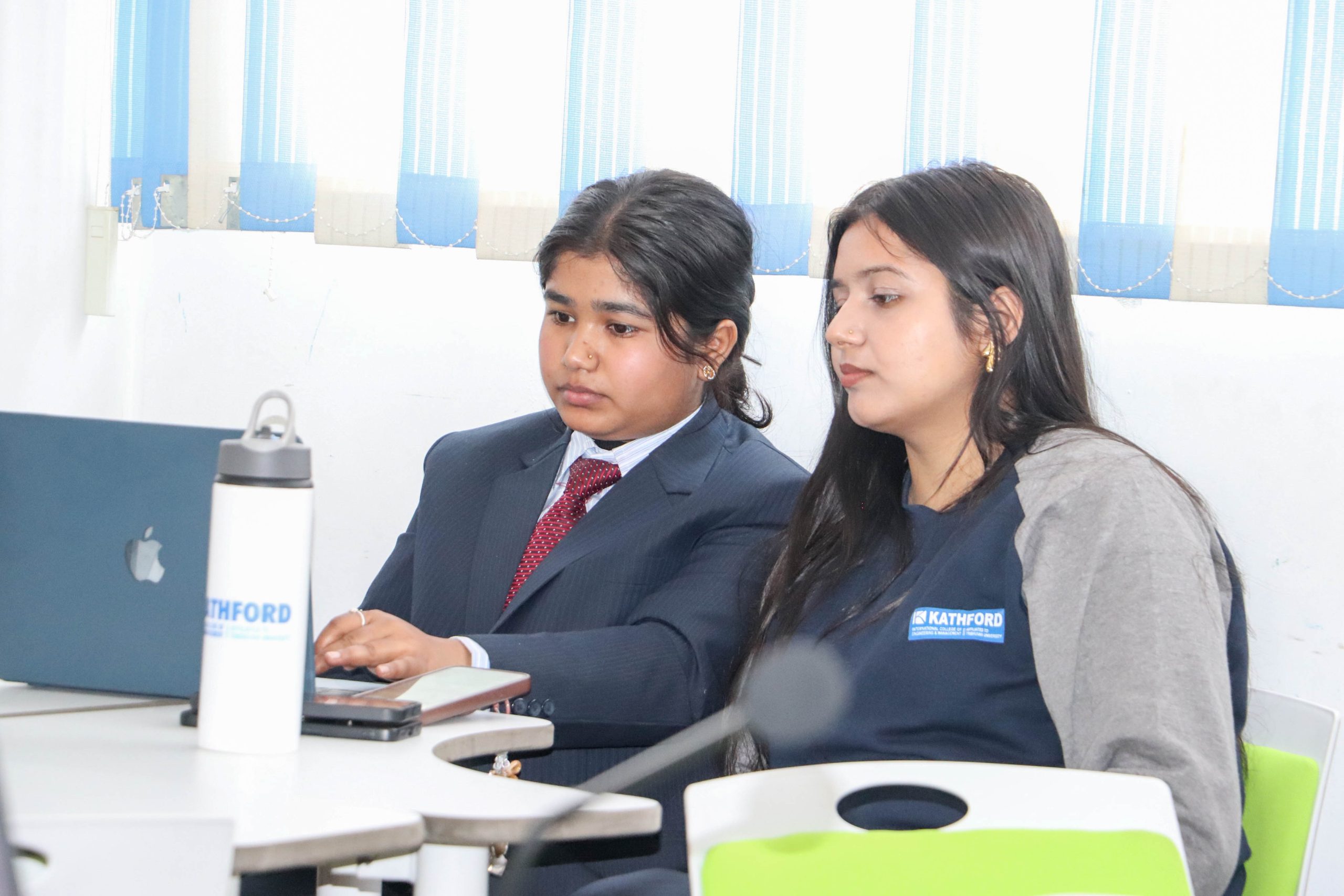
Can beginners succeed in IT without prior coding knowledge? This question is becoming increasingly common among Nepali students exploring the IT career in Nepal, especially those considering options like BCA in Nepal, BSc CSIT Nepal, learning coding from zero, and understanding the scope of IT in Nepal. Many students feel unsure whether starting from scratch is realistic, particularly if they did not study computer science in +2. The good news is that the IT field is one of the most beginner-friendly domains—if approached correctly.
Table of Contents
- Part 1: IT Career Nepal Reality for Beginners Without Coding Background
- Part 2: Learn Coding from Zero – Why Starting Late is Still Possible
- Part 3: Scope of IT in Nepal for Non-Technical Beginners
- Part 4: BCA in Nepal vs BSc CSIT Nepal – Which is Better for Beginners
- Part 5: Learn Coding from Zero Through Structured College Education
- Part 6: IT Career Nepal Requires Skills Beyond Coding
- Part 7: Scope of IT in Nepal Expands Through Practical Exposure and Internships
- Part 8: Learn Coding from Zero with the Right Mindset and Learning Strategy
- Part 9: IT Career Nepal Success Stories of Beginners Who Started from Scratch
- Part 10: BCA in Nepal and BSc CSIT Nepal Build Strong Foundations for Beginners
- Part 11: IT Career Nepal Challenges Beginners Must Be Ready to Face
- Part 12: Learn Coding from Zero and Build a Future-Ready IT Career Nepal
Part 1: IT Career Nepal Reality for Beginners Without Coding Background
Starting an IT career Nepal journey without prior coding knowledge may feel intimidating, especially when you see others already building apps or participating in hackathons. Many students from management or humanities backgrounds often believe they are already “behind.” However, the reality of the IT industry—both globally and in Nepal—is very different from this fear.
In Nepal, most students entering programs like BCA in Nepal or BSc CSIT Nepal do not have deep coding experience before joining. Even science students who studied computer science in +2 often only have basic exposure. This means colleges are designed to start from foundational concepts. According to structured learning models like Kathford’s academic philosophy, education is meant to build knowledge progressively—from basic literacy to advanced skills, ensuring no student is left behind at the beginning stage .
For example, a student from Pokhara who completed +2 in management may join a BCA program without ever writing a single line of code. In the first semester, they start with fundamentals like programming logic, problem-solving, and basic languages. Over time, they build confidence through assignments and projects. By the third year, the same student might be developing web applications or working on internships.
The IT field values learning ability more than starting point. Unlike fields where prior knowledge is mandatory, IT allows beginners to grow through consistent effort. Colleges play a major role here by designing courses that gradually introduce programming, data structures, and real-world applications.
The key takeaway is simple: not knowing coding at the beginning does not disqualify you from success. What matters is your willingness to learn, adapt, and stay consistent. This mindset shift is the first step toward building confidence in your IT journey.
Part 2: Learn Coding from Zero – Why Starting Late is Still Possible
The idea that you must start coding early to succeed is one of the biggest myths in IT. In reality, many successful professionals began their journey much later, often during their bachelor’s studies. The concept of learning coding from zero is not only possible—it is actually the standard path for many students in Nepal.
Coding is a skill, not an inborn talent. Just like learning to ride a bike or speak English fluently, it requires practice, patience, and proper guidance. When students join programs like BCA in Nepal or BSc CSIT Nepal, they are introduced to programming in a structured way. They begin with simple logic-building exercises before moving to languages like C, Python, or Java.
Take the example of a student from Kathmandu who struggled with mathematics and had no coding background. In the first semester, they found programming confusing. However, through consistent practice—writing small programs daily, attending lab sessions, and collaborating with classmates—they gradually improved. By the final year, they were confident enough to work on a real-world software project.
Modern IT education also supports beginners through practical learning. Labs, workshops, and guided assignments help students apply concepts immediately. Institutions are increasingly adopting hands-on approaches, where students learn by doing rather than just memorizing theory. This aligns with the idea that education should go beyond textbooks and focus on real-world application.
Additionally, platforms like coding bootcamps, online tutorials, and peer learning communities make it easier than ever to start from zero. Even students in rural areas now have access to resources that can help them build coding skills.
The conclusion here is encouraging: starting late does not limit your success. What matters is how consistently you practice and how effectively you use available resources to grow your skills.
Part 3: Scope of IT in Nepal for Non-Technical Beginners
The scope of IT in Nepal is expanding rapidly, creating opportunities not just for experienced coders but also for beginners entering the field. With the growth of startups, outsourcing companies, and digital transformation across industries, the demand for IT professionals continues to rise.
One important thing to understand is that IT is not limited to coding alone. There are multiple career paths within the field, including UI/UX design, digital marketing, data analysis, cybersecurity, and project management. This means even students who initially struggle with programming can find their niche within the IT ecosystem.
For instance, a student who finds coding difficult might discover an interest in UI/UX design. They can focus on designing user-friendly interfaces using tools like Figma or Adobe XD. Similarly, another student might prefer working with data and pursue a path in data analysis. These roles still fall under the IT career Nepal umbrella and offer strong career prospects.
Nepal’s IT sector also benefits from global outsourcing opportunities. Many companies in Kathmandu, Lalitpur, and Pokhara work with international clients, providing services like software development, web design, and digital marketing. This creates job opportunities for fresh graduates who are willing to learn and adapt.
Colleges play a crucial role in preparing students for this diverse scope. Programs are designed to introduce students to multiple domains, allowing them to explore and specialize based on their interests. The emphasis is not just on technical knowledge but also on problem-solving, communication, and teamwork.
The takeaway from this section is clear: the IT field in Nepal is flexible and inclusive. Even if you start as a beginner without coding knowledge, there are multiple pathways to success depending on your strengths and interests.
Part 4: BCA in Nepal vs BSc CSIT Nepal – Which is Better for Beginners
BCA is often considered more beginner-friendly, especially for students from management backgrounds. It focuses on practical skills like programming, database management, and software development, while also including subjects related to business and management. This makes it a good option for students who want a balanced approach.
On the other hand, BSc CSIT Nepal is more technical and science-oriented. It includes deeper coverage of subjects like algorithms, operating systems, and computer architecture. Students from science backgrounds may find it easier to adapt to this program, but beginners can still succeed with consistent effort.
For example, a student from a commerce background might choose BCA because it aligns better with their previous studies. Meanwhile, a science student with an interest in technology might opt for BSc CSIT. Both paths can lead to successful IT careers, depending on how the student approaches their learning journey.
Institutions also enhance these programs with practical exposure. For example, students in IT-related programs often engage in workshops, coding labs, and real-world projects that help bridge the gap between theory and practice. This hands-on approach ensures that even beginners can gradually build confidence.
Part 5: Learn Coding from Zero Through Structured College Education
One of the biggest advantages of joining an IT program is the structured learning environment it provides. For students aiming to learn coding from zero, this structure is extremely valuable because it removes confusion and provides a clear roadmap.
Colleges follow a step-by-step approach to teaching programming. In the first year, students are introduced to basic concepts like variables, loops, and conditional statements. These concepts form the foundation of all programming languages. As students progress, they learn more advanced topics like data structures, web development, and software engineering.
For example, a student in their first semester might struggle to understand how loops work. However, through repeated practice in lab sessions and assignments, they begin to grasp the logic. By the second year, they can use the same concepts to build small applications like calculators or simple websites.
Kathford’s learning approach emphasizes practical application alongside theory. Students are encouraged to work on projects, participate in workshops, and collaborate with peers. This aligns with modern educational practices that focus on experiential learning and real-world problem-solving.
Additionally, facilities like AI labs and innovation spaces provide opportunities for students to experiment with new technologies. These environments allow beginners to explore areas like machine learning, data science, and robotics, even if they started with no coding knowledge .
The structured nature of college education ensures that students are not overwhelmed. Instead of trying to learn everything at once, they follow a guided path that builds their skills gradually.
The key takeaway is that you do not have to figure everything out on your own. A well-designed academic program can guide you from zero knowledge to professional-level skills over time.
Part 6: IT Career Nepal Requires Skills Beyond Coding
While coding is an important part of the IT career Nepal journey, it is not the only skill required for success. Many students mistakenly believe that being good at programming is enough, but the reality is more complex.
IT professionals need a combination of technical and soft skills. Problem-solving, communication, teamwork, and adaptability are equally important. In fact, many employers in Nepal value these skills as much as technical knowledge.
For example, a software developer working in a company in Lalitpur may need to communicate with clients, understand project requirements, and collaborate with a team. Even if they are excellent at coding, poor communication skills can limit their effectiveness.
Educational models like the Kathford Learning Experience Model focus on developing a balanced skill set. Students are trained not only in technical areas but also in critical thinking, collaboration, and professional development. This holistic approach ensures that graduates are ready for real-world challenges.
Another important aspect is adaptability. The IT field is constantly evolving, with new technologies emerging every year. Students must be willing to learn continuously and update their skills. This mindset is more important than any specific programming language.
A real-world example can be seen in students who participate in internships. They often realize that workplace expectations go beyond coding. They need to manage time, work under pressure, and communicate effectively with team members.
The conclusion of this section is clear: success in IT is not just about coding. It is about becoming a well-rounded professional who can solve problems, work with others, and adapt to change.
Part 7: Scope of IT in Nepal Expands Through Practical Exposure and Internships
The scope of IT in Nepal becomes truly visible when students step outside classroom theory and enter practical environments like internships, projects, and workshops. For beginners without coding knowledge, this stage often becomes the turning point where abstract concepts start making real sense.
At the beginning of an IT journey, many students feel disconnected from real-world applications. Writing small programs in class may seem unrelated to actual jobs. However, as students progress and start participating in internships or project-based learning, they begin to understand how their skills apply in real scenarios. This transition is especially important for beginners who initially doubted their ability to succeed.
For example, a student studying BCA in Nepal might join a small IT company in Kathmandu for an internship. Initially, they may only assist in simple tasks like testing software or updating content. But gradually, they are exposed to real coding environments, version control systems, and teamwork. This exposure builds confidence and helps them connect theory with practice.
Institutions that emphasize hands-on learning create stronger outcomes for beginners. Kathfo
rd’s approach, for instance, integrates workshops, industry collaborations, and guided projects into the student experience. Students are not just passive learners—they actively participate in solving real problems, which accelerates their growth and confidence.
Moreover, internships help students identify their strengths. A beginner who struggles with backend programming might discover an interest in frontend design or project coordination. This flexibility is one of the biggest advantages of the IT field.
The key takeaway is that practical exposure transforms beginners into professionals. Even without prior coding knowledge, students can develop strong skills through consistent real-world engagement, making the scope of IT in Nepal highly accessible and rewarding.
Part 8: Learn Coding from Zero with the Right Mindset and Learning Strategy
Starting to learn coding from zero is not just about choosing the right course—it is about developing the right mindset and learning strategy. Many beginners fail not because they lack ability, but because they approach learning in an ineffective way.
One of the most important mindset shifts is accepting that confusion is part of the process. Coding involves logical thinking, and it is natural to struggle in the beginning. Students who expect instant understanding often become discouraged quickly. However, those who embrace challenges and persist through difficulties tend to succeed.
A practical learning strategy involves consistency and small steps. Instead of trying to master everything at once, students should focus on understanding basic concepts deeply. Writing simple programs daily, revising concepts, and practicing regularly are far more effective than occasional intensive study sessions.
For example, a student in Lalitpur who dedicates one hour daily to coding practice will likely outperform someone who studies irregularly. Over time, these small efforts accumulate into strong skills. Peer learning also plays a crucial role—discussing problems with classmates, working on group projects, and sharing knowledge can significantly improve understanding.
Modern educational environments support this approach through active learning methods. According to Kathford’s academic philosophy, teaching strategies like problem-based learning, project-based learning, and experiential learning help students engage more deeply with content . These methods are particularly beneficial for beginners because they focus on understanding rather than memorization.
Another important aspect is using available resources wisely. Online tutorials, coding platforms, and practice websites can complement classroom learning. However, students must avoid information overload and stick to a structured path.
The conclusion is clear: success in learning coding from zero depends more on mindset and strategy than prior knowledge. With patience, consistency, and the right approach, beginners can achieve remarkable progress.
Part 9: IT Career Nepal Success Stories of Beginners Who Started from Scratch
One of the most motivating aspects of pursuing an IT career in Nepal is the number of success stories from students who started with zero coding knowledge. These stories highlight that background does not define success—effort and persistence do.
Consider a student from a rural area in Nepal who had limited access to technology during school. After completing +2, they decided to pursue BSc CSIT Nepal despite having no prior coding experience. In the first year, they struggled to understand programming concepts and even considered quitting. However, with support from teachers, consistent practice, and participation in group projects, they gradually improved.
By the third year, this student was building web applications and contributing to open-source projects. After graduation, they secured a job in a software company in Kathmandu. Their journey demonstrates that starting from zero is not a disadvantage—it is simply a starting point.
Another example is a management student who chose BCA in Nepal. Initially, they were more comfortable with business subjects than technical ones. However, through exposure to digital marketing, web development, and data tools, they found their niche in IT. Today, they work as a digital strategist, combining technical and business skills.
These examples reflect a broader reality: IT careers are built through continuous learning and adaptation. The field rewards those who are willing to grow, regardless of their starting point.
Educational institutions also play a role in shaping these success stories. By providing mentorship, practical exposure, and industry connections, they create an environment where beginners can thrive.
The key takeaway is inspiring—many successful IT professionals in Nepal started exactly where you are now. Their journeys prove that with determination and the right support, beginners can achieve their goals.
Part 10: BCA in Nepal and BSc CSIT Nepal Build Strong Foundations for Beginners
In the early semesters, students focus on foundational subjects like programming basics, mathematics, and computer fundamentals. These subjects are essential for developing logical thinking and problem-solving skills. As students progress, they move on to advanced topics like software engineering, database systems, and networking.
For example, a student who initially struggles with programming may find that subjects like database management or web development are easier to grasp. Over time, they develop confidence and start connecting different concepts. This layered learning approach ensures steady progress.
Kathford’s programs emphasize hands-on learning and real-world application. Students engage in coding labs, collaborative projects, and industry-relevant training. For instance, IT students work with tools like Python, cloud platforms, and cybersecurity systems, gaining practical experience alongside theoretical knowledge .
Another important aspect is mentorship and guidance. Teachers and industry experts help students navigate challenges and make informed career decisions. This support system is especially valuable for beginners who may feel uncertain about their path.
The outcome of these programs is not just technical knowledge but a well-rounded skill set. Graduates are equipped with the ability to solve real-world problems, work in teams, and adapt to changing technologies.
Part 11: IT Career Nepal Challenges Beginners Must Be Ready to Face
While the IT field offers immense opportunities, beginners must also be prepared to face certain challenges. Understanding these challenges early can help students navigate their journey more effectively.
One common challenge is the initial learning curve. Programming concepts can be difficult to grasp at first, especially for students without a technical background. This can lead to frustration and self-doubt. However, it is important to remember that this phase is temporary and part of the learning process.
Another challenge is maintaining consistency. IT requires regular practice, and students who study only during exams often struggle to build strong skills. Balancing academic work, personal life, and skill development can be difficult, but it is essential for long-term success.
Competition is also increasing in the IT career Nepal landscape. With more students entering the field, standing out requires more than just a degree. Students need to build portfolios, participate in projects, and continuously upgrade their skills.
For example, a student in Bhaktapur may complete their degree but struggle to find a job due to lack of practical experience. On the other hand, a student who actively participates in internships, workshops, and personal projects is more likely to secure opportunities.
Institutions help address these challenges by providing structured learning, mentorship, and practical exposure. Kathford’s focus on holistic development ensures that students are prepared not just academically but also professionally.
The key takeaway is that challenges are part of the journey. Beginners who stay consistent, seek help when needed, and remain committed to learning can overcome these obstacles and succeed in the IT field.
Part 12: Learn Coding from Zero and Build a Future-Ready IT Career Nepal
Reaching the final stage of this discussion, it becomes clear that learning coding from zero is not a limitation—it is an opportunity. Beginners who start without prior knowledge often develop stronger learning habits because they build their skills step by step.
The IT field rewards curiosity, persistence, and adaptability. Students who are willing to learn continuously can stay relevant in a rapidly changing industry. This is particularly important in Nepal, where the IT sector is growing and evolving with global trends.
Institutions like BSc CSIT program and BCA program provide structured pathways for beginners to enter the IT field. Admission processes such as admission guidelines ensure accessibility for students from different backgrounds, making IT education more inclusive.
Students also benefit from events and activities like college events and workshops, as well as participation in student clubs, where they can collaborate, learn, and grow together. These experiences play a crucial role in building confidence and practical skills.
You May Also Explore
If you are exploring IT as a beginner, you may also find value in reading student life and career blogs, exploring program details like
coding and innovation clubs to enhance your learning experience.
In conclusion, beginners can absolutely succeed in IT without prior coding knowledge. The journey may not be easy, but it is achievable with the right mindset, consistent effort, and proper guidance. The IT field does not ask where you started—it values how far you are willing to go.
Conclusion
Starting an IT journey without coding knowledge might feel overwhelming at first, but as this blog has shown, it is not only possible—it is common. Thousands of students in Nepal begin their IT careers from zero and gradually build successful futures through structured education, practical exposure, and consistent effort.
The key is to shift your mindset from fear to curiosity. Instead of worrying about what you don’t know, focus on what you can learn step by step. With the right environment, guidance, and determination, beginners can transform into confident IT professionals ready to contribute to Nepal’s growing digital landscape.
FAQs
2. Is it difficult to learn coding from zero?
Learning coding from zero can be challenging at first, but with consistency and practice, it becomes easier. Most students struggle initially but improve significantly over time with proper guidance.
4. What is the scope of IT in Nepal for beginners?
The scope is growing rapidly, with opportunities in software development, design, data analysis, and digital marketing. Beginners can explore multiple career paths within IT.
5. How long does it take to become job-ready in IT?
Most students become job-ready within 3–4 years of structured education combined with internships and projects. Continuous learning is essential even after starting a career.
6. Do I need strong mathematics to succeed in IT?
Basic mathematics helps, but advanced math is not required for all IT fields. Many roles focus more on logic, creativity, and practical skills than complex mathematics.
See more articles like this


A safe rank for engineering is one of the first things Nepali students start searching for after the IOE entrance result, especially when comparing...

Table of Contents Higher Education Should Be Within Everyone's Reach What is the U-GO Nepal Scholarship? Who Can Apply for the U-GO Nepal Scholarship?...

Choosing engineering courses in Nepal is one of the biggest academic decisions many students make after +2 Science. Every year, thousands of Nepali students...