

10 Skills Engineers Need Beyond Academics to Avoid Career Failure
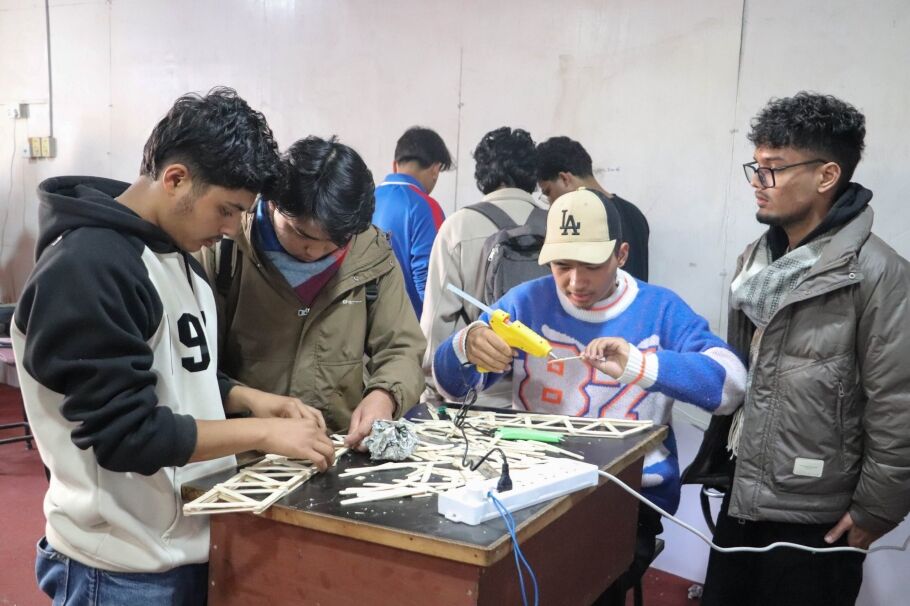
Skills engineers need beyond academics are becoming the true differentiator in today’s competitive Nepali job market, where engineering soft skills Nepal, practical engineering skills, communication skills for engineers, and problem-solving skills engineers are just as important as technical knowledge. Many students enter engineering colleges believing that high grades alone will guarantee success, but reality quickly proves otherwise. Employers today look for well-rounded individuals who can apply knowledge, communicate effectively, and adapt to real-world challenges.
This shift is not random. Modern engineering education in Nepal, especially under models like the Kathford Learning Experience Model (KLEM), emphasizes holistic development—combining academic learning with real-world skills, creativity, and adaptability . Students are no longer just expected to solve equations; they are expected to solve real-life problems, work in teams, and think beyond textbooks.
Table of Contents
- Skills Engineers Need Beyond Academics: Understanding the Reality Gap
- Engineering Soft Skills Nepal: Why Classroom Knowledge Is Not Enough
- Practical Engineering Skills: Bridging Theory and Real Projects
- Communication Skills for Engineers: The Most Underrated Skill
- Problem-Solving Skills Engineers Must Master Early
- Engineering Soft Skills Nepal in Teamwork and Collaboration
- Practical Engineering Skills Through Internships and Labs
- Communication Skills for Engineers in Presentations and Reports
- Problem-Solving Skills Engineers in Real Nepali Context
- Engineering Soft Skills Nepal and Leadership Development
- Practical Engineering Skills and Adaptability in Modern Engineering
- Skills Engineers Need Beyond Academics for Career Success
Part 1: Skills Engineers Need Beyond Academics: Understanding the Reality Gap
Many engineering students in Nepal start their journey believing that scoring high marks in exams is the ultimate goal. This mindset is deeply rooted in the school system, where academic performance defines success. However, once students enter the professional world, they quickly realize that skills engineers need beyond academics are what truly matter.
The gap between academic knowledge and industry expectations is significant. In classrooms, students focus on solving theoretical problems, memorizing formulas, and preparing for exams. But in real engineering jobs, challenges are unpredictable. For example, a civil engineering graduate working on a road construction project in Pokhara might face unexpected soil instability. No textbook can fully prepare them for such real-world uncertainties.
This is where broader skills come into play. The Kathford Learning Experience Model emphasizes that education must go beyond textbooks, focusing on critical thinking, adaptability, and real-world exposure . This approach recognizes that engineers must be capable of handling ambiguity, making decisions under pressure, and collaborating with diverse teams.
A common example is seen during internships. Many Nepali students with excellent grades struggle to communicate with site supervisors or explain their ideas clearly. This highlights the reality gap—academic success does not automatically translate into professional competence.
Understanding this gap is the first step for students. It shifts their mindset from “studying to pass exams” to “learning to solve real problems.” Once students recognize this, they begin to actively develop skills beyond academics, such as teamwork, communication, and practical application.
In conclusion, the reality gap exists because education and industry expectations are not always aligned. Recognizing this early allows students to prepare better and become engineers who are not just academically strong but also professionally capable.
Part 2: Engineering Soft Skills Nepal: Why Classroom Knowledge Is Not Enough
In Nepal, the importance of engineering soft skills is often underestimated during academic years. Students spend most of their time focusing on technical subjects like mathematics, physics, and core engineering courses. While these are essential, they represent only one part of what makes a successful engineer.
Soft skills include communication, teamwork, adaptability, leadership, and emotional intelligence. These are not usually taught explicitly in classrooms, yet they play a critical role in professional life. According to Kathford’s academic philosophy, education must foster not only technical knowledge but also life skills and global awareness . This highlights the growing recognition of soft skills in engineering education.
Consider a computer engineering student from Kathmandu who is technically brilliant but struggles to explain their ideas during a group project. Even if their solution is correct, their inability to communicate effectively can limit their impact. On the other hand, a student with moderate technical skills but strong communication and teamwork abilities often performs better in collaborative environments.
Another example can be seen in job interviews. Employers in Nepal frequently prioritize candidates who can confidently present themselves, work in teams, and adapt to new environments. A student who cannot articulate their knowledge clearly may miss opportunities despite having strong academic records.
Soft skills also become crucial in multicultural and interdisciplinary teams. Engineers often work with professionals from different fields, such as management, IT, and design. Without strong interpersonal skills, collaboration becomes difficult.
This is why institutions are increasingly integrating activities like presentations, group discussions, and project-based learning into their curriculum. These methods help students develop soft skills alongside technical knowledge.
In conclusion, classroom knowledge alone is not enough in today’s engineering landscape. Developing soft skills is essential for students who want to succeed in Nepal’s evolving job market and beyond.
Part 3: Practical Engineering Skills: Bridging Theory and Real Projects
One of the most critical skills engineers need beyond academics is the ability to apply theoretical knowledge in practical situations. This is where practical engineering skills come into play. While textbooks provide the foundation, real-world experience builds true competence.
In Nepal, many students face challenges when transitioning from classroom learning to fieldwork. For instance, a civil engineering student may understand structural analysis theoretically but struggle to apply it on a construction site. Similarly, an electronics student may know circuit design but find it difficult to troubleshoot real hardware issues.
Kathford’s educational approach emphasizes hands-on learning, labs, and project-based experiences to bridge this gap . This ensures that students not only understand concepts but can also apply them effectively in real-world scenarios.
A practical example can be seen in internships. Students who actively participate in internships gain exposure to real engineering problems. For example, an IT student working on a software development project learns how to handle bugs, manage deadlines, and collaborate with a team. These experiences cannot be replicated through textbooks alone.
Another important aspect is the use of modern tools and technologies. Engineers must be familiar with software, equipment, and platforms relevant to their field. For example, civil engineers use CAD software, while computer engineers work with programming languages and development tools.
Practical skills also include the ability to learn by doing. This means experimenting, making mistakes, and improving through experience. Students who engage in projects, workshops, and competitions develop a deeper understanding of their field.
In conclusion, practical engineering skills are essential for bridging the gap between theory and application. Students who focus on gaining hands-on experience become more confident, capable, and ready for real-world challenges.
Part 4: Communication Skills for Engineers: The Most Underrated Skill
Among all the skills engineers need beyond academics, communication skills for engineers are often the most underrated. Many students believe that engineering is purely technical, but in reality, communication plays a central role in every engineering task.
Engineers must communicate their ideas clearly to different audiences, including team members, clients, and stakeholders. This includes writing reports, giving presentations, and explaining complex concepts in simple terms. According to engineering program goals, effective communication—both oral and written—is a key competency for professional success .
In Nepal, this skill becomes even more important due to diverse work environments. For example, a civil engineer working on a rural project must explain technical plans to local workers who may not have technical backgrounds. Similarly, an IT professional may need to present their project to non-technical clients.
A common challenge among students is hesitation in speaking or presenting. Many feel confident solving problems on paper but struggle to express their ideas verbally. This can limit their opportunities during presentations, internships, and job interviews.
Improving communication skills requires practice. Participating in presentations, group discussions, and extracurricular activities helps students build confidence. Writing reports and documentation also improves clarity and structure in communication.
Another important aspect is listening. Effective communication is not just about speaking but also understanding others. Engineers must listen to feedback, understand requirements, and adapt their approach accordingly.
In conclusion, communication is not optional for engineers—it is essential. Students who develop strong communication skills can effectively share their ideas, collaborate with others, and succeed in their careers.
Part 5: Problem-Solving Skills Engineers Must Master Early
At the heart of engineering lies one fundamental ability: solving problems. Among all the skills engineers need beyond academics, problem-solving skills engineers must develop early to succeed in both academic and professional life.
Engineering problems are rarely straightforward. Unlike exam questions, real-world challenges are complex, ambiguous, and often have multiple possible solutions. This requires critical thinking, creativity, and the ability to analyze situations deeply. Kathford’s programs emphasize analytical thinking and problem-solving as core competencies for engineering students .
For example, consider a mechanical engineering student working on a machine design project. Theoretical knowledge provides a starting point, but practical constraints like cost, materials, and efficiency require innovative solutions. Similarly, a software engineer may face unexpected bugs that require creative debugging strategies.
In Nepal, problem-solving skills are particularly important due to resource constraints. Engineers often need to find cost-effective solutions using limited resources. This requires adaptability and innovative thinking.
Students can develop problem-solving skills by engaging in projects, competitions, and real-world challenges. Participating in hackathons, engineering competitions, and research projects helps students think critically and creatively.
Another important aspect is learning from failure. Not every solution works on the first attempt. Students who embrace mistakes as learning opportunities develop stronger problem-solving abilities.
In conclusion, problem-solving is the core of engineering. Students who develop this skill early become more confident and capable of handling real-world challenges.
Part 6: Engineering Soft Skills Nepal in Teamwork and Collaboration
Engineering is rarely a solo effort. Most projects require collaboration among multiple professionals. This makes engineering soft skills Nepal, particularly teamwork and collaboration, essential for success.
In academic settings, students often work on group projects. However, many treat these projects as individual tasks rather than collaborative efforts. This mindset can limit their ability to work effectively in teams.
According to engineering program frameworks, teamwork and interpersonal skills are critical for successful project outcomes . Engineers must be able to communicate, share responsibilities, and resolve conflicts within teams.
A real-world example can be seen in construction projects. A civil engineering project involves architects, engineers, contractors, and workers. Without effective teamwork, projects can face delays, errors, and conflicts.
Similarly, in IT projects, developers, designers, and project managers must collaborate closely. Miscommunication or lack of coordination can lead to project failures.
Teamwork also helps students learn from each other. Each team member brings different strengths and perspectives, which can lead to better solutions.
Developing teamwork skills requires active participation. Students should engage in group activities, respect others’ opinions, and contribute effectively to team goals.
In conclusion, teamwork is a fundamental skill for engineers. Students who develop strong collaboration skills can work effectively in diverse environments and achieve better results.
Part 7: Practical Engineering Skills Through Internships and Labs
For many students, the turning point in understanding skills engineers need beyond academics comes during internships and lab experiences. These environments provide the first real exposure to how engineering works outside textbooks, helping students develop strong practical engineering skills.
In Nepal, internships are often seen as optional, but they are actually one of the most important parts of an engineering journey. A student who spends even a few months working in a real engineering environment learns things that no classroom can fully teach. For example, a civil engineering student working on a construction site in Lalitpur learns how to manage time, coordinate with workers, and deal with unexpected challenges like weather delays or material shortages.
Kathford’s learning model strongly emphasizes hands-on labs, fieldwork, and internships as essential components of education . This approach ensures that students are not just learning theories but actively applying them. Labs allow students to experiment, test ideas, and understand the behavior of systems in controlled environments.
Similarly, IT and computer engineering students benefit from project-based learning, where they build applications, work with real datasets, and collaborate with peers. These experiences help them understand debugging, version control, and teamwork—skills that are critical in the workplace.
Another key benefit of internships is exposure to professional culture. Students learn how to communicate with seniors, meet deadlines, and maintain professionalism. These are subtle but important aspects of engineering careers.
In conclusion, internships and labs are not just academic requirements—they are opportunities to build real competence. Students who actively engage in these experiences develop confidence, practical understanding, and readiness for the professional world.
Part 8: Communication Skills for Engineers in Presentations and Reports
While earlier we discussed the importance of communication, it becomes even more critical when it comes to formal presentations and technical documentation. Communication skills for engineers are tested most clearly in how well they can present their ideas and write reports.
Engineering is not just about solving problems—it is also about explaining solutions. Whether it is a project presentation in college or a client meeting in a job, engineers must communicate their ideas clearly and effectively. This includes structuring information, using visuals, and delivering messages confidently.
In Nepali colleges, students often struggle with presentations because they are not used to speaking in front of others. However, academic frameworks emphasize presentations, reports, and documentation as essential evaluation methods . These activities are designed to prepare students for real-world communication challenges.
For example, a final-year engineering student presenting their project must explain complex technical concepts in a way that teachers and external evaluators can understand. Similarly, in professional settings, engineers must present their ideas to clients who may not have technical backgrounds.
Report writing is another crucial skill. Engineers are required to document their work, including methodologies, results, and conclusions. A well-written report reflects clarity of thought and professionalism.
Students can improve these skills by practicing regularly. Participating in seminars, workshops, and group discussions helps build confidence. Writing assignments and project reports also improve clarity and organization.
In conclusion, communication in presentations and reports is a defining skill for engineers. Students who master this can effectively share their ideas and stand out in both academic and professional environments.
Part 9: Problem-Solving Skills Engineers in Real Nepali Context
Developing problem-solving skills engineers need becomes even more important when applied to the real Nepali context. Engineering challenges in Nepal are often unique due to geographical, economic, and infrastructural factors.
For instance, civil engineers working in hilly regions must deal with landslides, unstable terrain, and limited accessibility. These challenges require innovative and context-specific solutions. Similarly, electrical engineers working in rural areas may need to design systems that function with limited power supply or resources.
Kathford’s approach emphasizes analytical thinking and real-world problem-solving through case studies and projects . This ensures that students are prepared to handle such challenges effectively.
A relatable example is seen in local startups. Many engineering students in Kathmandu are now working on innovative solutions like low-cost water filtration systems or mobile apps for local businesses. These projects require not only technical knowledge but also creativity and adaptability.
Problem-solving in Nepal also involves working within constraints. Engineers often have to balance cost, efficiency, and sustainability. This makes the ability to think critically and make decisions even more important.
Students can develop these skills by engaging in real-world projects, participating in competitions, and working on community-based initiatives. These experiences expose them to practical challenges and help them think beyond theoretical solutions.
In conclusion, problem-solving in the Nepali context requires creativity, adaptability, and practical thinking. Students who develop these skills can make meaningful contributions to society.
Part 10: Engineering Soft Skills Nepal and Leadership Development
Leadership is another critical aspect of engineering soft skills Nepal that students often overlook. While technical skills help engineers perform tasks, leadership skills help them guide teams, manage projects, and take responsibility.
In academic settings, leadership opportunities often come through group projects, student clubs, and extracurricular activities. However, many students hesitate to take on leadership roles due to lack of confidence or fear of responsibility.
Kathford’s academic philosophy highlights the importance of developing leadership, emotional intelligence, and social responsibility as part of holistic education . This reflects the growing need for engineers who can lead as well as execute.
For example, a student leading a group project learns how to delegate tasks, manage conflicts, and ensure that deadlines are met. These experiences are invaluable for future careers.
In professional settings, engineers often progress into managerial roles. A civil engineer may become a project manager, while a software engineer may lead a development team. Without leadership skills, technical expertise alone is not enough.
Leadership also involves decision-making and accountability. Engineers must be able to make informed decisions and take responsibility for their outcomes.
Students can develop leadership skills by participating in clubs, organizing events, and taking initiative in group activities. These experiences help build confidence and responsibility.
In conclusion, leadership is a key component of engineering success. Students who develop leadership skills can take on greater responsibilities and make a larger impact in their careers.
Part 11: Practical Engineering Skills and Adaptability in Modern Engineering
In today’s rapidly changing world, adaptability has become one of the most important skills engineers need beyond academics. Along with practical engineering skills, adaptability ensures that engineers can keep up with new technologies and changing industry demands.
Engineering fields are constantly evolving. New tools, technologies, and methodologies are introduced regularly. For example, the integration of AI, machine learning, and automation is transforming traditional engineering fields. Kathford’s AI and Innovation Lab reflects this shift by providing students with exposure to emerging technologies and real-world applications .
In Nepal, this is particularly relevant as industries adopt modern technologies. Engineers who are not adaptable may struggle to keep up with these changes.
A practical example is seen in IT students who learn programming languages. Those who are adaptable can quickly learn new languages and frameworks, while others may struggle if they rely only on what they learned in class.
Adaptability also involves continuous learning. Engineers must be willing to update their skills, learn new tools, and explore new areas.
Students can develop adaptability by staying curious, participating in workshops, and exploring new technologies. Engaging in projects that involve emerging tools also helps build this skill.
In conclusion, adaptability is essential for modern engineers. Students who combine practical skills with adaptability are better prepared for future challenges.
Part 12: Skills Engineers Need Beyond Academics for Career Success
Ultimately, all the skills engineers need beyond academics come together to define career success. Academic knowledge provides the foundation, but it is the combination of soft skills, practical experience, communication, and problem-solving that determines long-term success.
In Nepal, the job market is becoming increasingly competitive. Employers are looking for candidates who are not only technically competent but also capable of working in teams, communicating effectively, and adapting to challenges.
Kathford’s holistic education model emphasizes the development of knowledge, skills, and abilities to prepare students for real-world careers . This approach ensures that students are not just graduates but professionals ready to contribute to society.
A common example is seen in job placements. Students who actively participate in internships, projects, and extracurricular activities often have better career opportunities. They are more confident, experienced, and prepared for interviews.
Another important factor is self-awareness. Students must understand their strengths and weaknesses and work on improving themselves continuously.
You May Also Explore
If you want to go deeper into building your engineering journey, you can explore the Computer Engineering program, learn about the admission process, explore student events, check out student clubs, and read more insights from Kathford blogs.
In conclusion, success in engineering is no longer defined by academic performance alone. Students who focus on developing skills beyond academics—such as communication, teamwork, practical application, and adaptability—are the ones who thrive. The journey of an engineer is not just about learning formulas but about becoming capable of solving real-world problems and making a meaningful impact.
FAQs
1. What are the most important skills engineers need beyond academics?
Engineers need communication, teamwork, problem-solving, adaptability, and practical skills beyond academics. These skills help them apply knowledge in real-world situations and succeed in their careers.
2. Why are soft skills important for engineers in Nepal?
Soft skills are important because engineers work in teams, communicate with clients, and handle real-world challenges. Without these skills, technical knowledge alone is not enough.
3. How can engineering students in Nepal develop practical skills?
Students can develop practical skills through internships, lab work, projects, workshops, and participation in competitions that provide hands-on experience.
4. Do employers in Nepal value skills beyond academics?
Yes, employers prioritize candidates who have real-world skills like communication, teamwork, and problem-solving along with technical knowledge.
5. How can students improve communication skills for engineering careers?
Students can improve communication by practicing presentations, writing reports, participating in discussions, and engaging in extracurricular activities.
6. What role does adaptability play in engineering careers?
Adaptability helps engineers keep up with new technologies and changing industry demands, making them more flexible and valuable in the job market.

See more articles like this


BE Computer in Nepal is one of the most sought-after choices among +2 Science students interested in technology, but what happens if your entrance...
A safe rank for engineering is one of the first things Nepali students start searching for after the IOE entrance result, especially when comparing...
Choosing to study management after +2 is an exciting step, but many students ask one important question: How difficult is the BBA or BBM...