


7 Best Coding Languages for BCA & CSIT Students in Nepal

Coding Languages in BCA and CSIT in Nepal are at the heart of modern IT education, shaping how students think, build, and solve real-world problems. In today’s evolving digital landscape, understanding programming languages in Nepal, exploring the BCA course in Nepal, comparing it with the CSIT course in Nepal, and identifying the most relevant IT skills in Nepal has become essential for every student aiming for a tech career. These five keywords—including the primary keyword Coding Languages in BCA and CSIT in Nepal—define not just what students study, but how they prepare for the future.
Table of Contents
- Coding Languages in BCA and CSIT in Nepal: An Overview
- Programming Languages in Nepal: Why They Matter for Students
- BCA Course in Nepal: Core Coding Languages Students Learn
- CSIT Course in Nepal: Programming Depth and Technical Exposure
- Coding Languages in BCA and CSIT in Nepal: Semester-wise Learning Journey
- IT Skills in Nepal: How Programming Builds Real-World Capability
- Programming Languages in Nepal: Differences Between BCA and CSIT
- Coding Languages in BCA and CSIT in Nepal: Role of Practical Labs and Projects
- IT Skills in Nepal: Industry Expectations from Students
- Coding Languages in BCA and CSIT in Nepal: Emerging Technologies and AI
- Programming Languages in Nepal: Career Paths After Graduation
- BCA Course in Nepal and CSIT Course in Nepal: Choosing the Right Path
Part 1: Coding Languages in BCA and CSIT in Nepal: An Overview
The journey of learning Coding Languages in BCA and CSIT in Nepal begins with a simple but important question every student asks after +2: “What will I actually learn?” For many students in Nepal, especially those transitioning from science or management backgrounds, programming feels intimidating at first. However, both BCA and CSIT programs are structured to gradually introduce coding concepts, making them accessible even to beginners.
At the foundational level, students are introduced to logic building, problem-solving, and basic programming structures. This aligns with modern academic approaches where education goes beyond theory and focuses on real-world application. Institutions in Nepal increasingly emphasize hands-on learning, where students don’t just memorize syntax but understand how code solves actual problems. This approach reflects broader educational philosophies that prioritize critical thinking, adaptability, and practical skills over rote learning .
For example, a student from Kathmandu who joins BCA without prior coding experience may initially struggle with C programming. However, within a few months of consistent practice, assignments, and lab work, that same student begins building small applications like calculators or simple management systems. This transformation is not accidental—it is the result of structured exposure to coding languages across semesters.
Both BCA and CSIT programs introduce multiple programming languages, but the depth and focus differ. While BCA often leans toward application and business-oriented programming, CSIT tends to dive deeper into system-level understanding and computational theory. Despite these differences, the ultimate goal remains the same: to equip students with strong programming foundations that can adapt to any technological change.
In conclusion, understanding Coding Languages in BCA and CSIT in Nepal is not just about listing languages—it is about understanding how these programs shape a student’s thinking, confidence, and career direction from the very beginning.
Part 2: Programming Languages in Nepal: Why They Matter for Students
When discussing Programming Languages in Nepal, it is important to move beyond the idea that coding is just a technical skill. In reality, programming languages are tools that enable students to think logically, solve problems, and create solutions that can impact industries, businesses, and even communities.
In Nepal’s growing IT sector, programming is no longer optional. Whether a student wants to become a software developer, data analyst, cybersecurity expert, or even a digital entrepreneur, understanding programming languages is essential. This is why both BCA and CSIT curricula are designed to integrate coding from early semesters, ensuring students develop confidence step by step.
Consider a typical student from Pokhara who joins CSIT with dreams of working abroad. Initially, they might focus only on passing exams. But as they learn languages like C, Java, and Python, they begin to realize the practical applications—building websites, automating tasks, or analyzing data. This shift from theory to application is what makes programming languages so powerful.
Moreover, the importance of programming languages is deeply connected to employability. Employers in Nepal increasingly look for candidates who can demonstrate real skills, not just academic degrees. A student who has built projects using Python or developed a web application using JavaScript stands out significantly more than someone with only theoretical knowledge.
Educational frameworks in Nepal are also evolving to support this shift. Modern learning models emphasize a balance between knowledge, skills, and abilities, ensuring that students not only understand concepts but can also apply them effectively in real-world scenarios . This is especially relevant in programming, where practice and experimentation are key.
In summary, Programming Languages in Nepal matter because they bridge the gap between education and employment. They transform students from passive learners into active creators, preparing them for a competitive and rapidly changing digital world.
Part 3: BCA Course in Nepal: Core Coding Languages Students Learn
The BCA course in Nepal is often chosen by students from both science and management backgrounds who want to enter the IT field without going deep into hardware or engineering-level mathematics. One of the biggest strengths of BCA is its focus on practical, application-oriented programming.
In the early semesters, students are introduced to C programming. This language helps build the foundation of logic, loops, conditions, and memory management. Although many students find C challenging at first, it plays a crucial role in shaping analytical thinking. For instance, a student from a management background in Lalitpur might initially struggle with pointers but gradually gains confidence through lab practice and assignments.
As the course progresses, students are introduced to object-oriented programming languages like Java. This is where they begin to understand concepts such as classes, objects, inheritance, and polymorphism. These concepts are not just theoretical—they are used to build real applications like student management systems or simple banking software.
In addition to Java, web-based programming languages such as HTML, CSS, JavaScript, and PHP are also taught. This allows students to explore web development, one of the most accessible and in-demand career paths in Nepal. Many BCA students start freelancing or building personal projects during their studies, which helps them gain real-world experience early on.
The BCA curriculum is designed to ensure that students can apply their knowledge in practical scenarios. For example, a student might develop a small e-commerce website as part of their project, integrating both front-end and back-end technologies. This hands-on approach aligns with modern educational philosophies that emphasize experiential learning and real-world application.
In conclusion, the BCA course in Nepal provides a balanced introduction to coding languages, focusing on practical skills that are directly applicable in the job market. It is an ideal choice for students who want to build applications and enter the IT industry quickly.
Part 4: CSIT Course in Nepal: Programming Depth and Technical Exposure
The CSIT course in Nepal is often considered more technical and in-depth compared to BCA. It is primarily designed for science students and focuses heavily on both theoretical and practical aspects of computing, including advanced programming concepts.
In the initial semesters, CSIT students also start with C programming, similar to BCA. However, the depth of learning is often greater. Students are expected to understand not just how code works, but why it works. This includes topics like memory allocation, data structures, and algorithm efficiency.
As students move forward, they are introduced to languages like C++, Java, and Python. These languages are used to explore object-oriented programming, data analysis, and software development. Python, in particular, has become increasingly important due to its applications in data science, machine learning, and automation.
A student from Biratnagar studying CSIT might start by writing simple programs in C but eventually progress to building machine learning models using Python. This progression reflects the structured curriculum that gradually increases complexity while reinforcing core concepts.
CSIT also emphasizes subjects like data structures and algorithms, which are critical for technical interviews and advanced software development roles. Students learn how to optimize code, analyze performance, and solve complex problems efficiently.
Additionally, modern CSIT programs in Nepal are integrating emerging technologies such as AI, cloud computing, and cybersecurity. Institutions are increasingly providing access to labs, workshops, and collaborative projects where students can apply these concepts in real-world scenarios.
In summary, the CSIT course in Nepal offers deeper technical exposure to programming languages, making it suitable for students who want to pursue advanced roles in software engineering, data science, or research-oriented fields.
Part 5: Coding Languages in BCA and CSIT in Nepal: Semester-wise Learning Journey
Understanding Coding Languages in BCA and CSIT in Nepal becomes clearer when we look at how programming is taught across semesters. The journey is not random—it is carefully structured to ensure gradual learning and skill development.
In the first year, both BCA and CSIT students focus on foundational programming, usually starting with C. This phase is all about building logic and understanding how computers execute instructions. Many students struggle during this phase, especially if they have no prior coding experience. However, consistent practice helps them overcome these challenges.
In the second year, students are introduced to object-oriented programming languages like Java or C++. This is where they start thinking in terms of real-world objects and systems. For example, a student might create a library management system, applying concepts like classes and inheritance.
By the third year, the focus shifts toward specialization. BCA students may explore web development, while CSIT students dive deeper into data structures, algorithms, and advanced programming topics. Languages like Python become more prominent, especially for data-related tasks.
In the final year, students work on major projects that integrate everything they have learned. These projects often involve multiple programming languages and technologies. For instance, a student might develop a full-stack application using JavaScript for the front end and Python for the back end.
This structured progression ensures that students do not feel overwhelmed. Instead, they build confidence step by step, moving from basic syntax to complex problem-solving.
In conclusion, the semester-wise journey of Coding Languages in BCA and CSIT in Nepal reflects a well-designed learning path that transforms beginners into capable programmers ready for real-world challenges.
Part 6: IT Skills in Nepal: How Programming Builds Real-World Capability
The connection between IT skills in Nepal and programming languages is direct and powerful. Coding is not just about writing programs—it is about developing the ability to think critically, solve problems, and create solutions that have real impact.
In Nepal’s context, many students come from diverse educational backgrounds. Some may have studied science, while others come from management or humanities. Programming acts as a common ground where all students can develop valuable skills, regardless of their starting point.
For example, a BCA student in Kathmandu might use JavaScript to build a website for a local business. This not only improves their coding skills but also gives them practical experience in client communication, project management, and problem-solving. Similarly, a CSIT student might use Python to analyze data for a research project, developing both technical and analytical skills.
Modern educational approaches emphasize the integration of knowledge, skills, and abilities. This means students are not only taught programming languages but are also encouraged to apply them in real-world scenarios through projects, internships, and collaborations.
Additionally, institutions are increasingly focusing on hands-on learning environments, where students can experiment, fail, and learn. Labs, coding competitions, and workshops play a crucial role in this process, helping students build confidence and practical expertise.
In summary, IT skills in Nepal are deeply rooted in programming. By learning coding languages, students develop not just technical abilities but also the confidence and mindset needed to succeed in the digital world.
Part 7: Programming Languages in Nepal: Differences Between BCA and CSIT
When students compare Programming Languages in Nepal across different degrees, one of the most common dilemmas is choosing between BCA and CSIT. At first glance, both programs seem similar because they teach many of the same coding languages. However, the difference lies not in what is taught, but how deeply it is explored and applied.
BCA is designed to be more application-oriented. Students focus on using programming languages to build real-world software, websites, and business solutions. For instance, a BCA student in Bhaktapur might learn Java not just as a language but as a tool to develop a billing system for a small retail shop. The emphasis here is on usability, interface design, and solving immediate practical problems.
On the other hand, CSIT goes deeper into the theoretical and technical aspects of programming. Students are expected to understand algorithms, memory management, and system-level operations. A CSIT student in Chitwan might use C++ to study how sorting algorithms work or how data structures impact performance. This depth prepares them for more technical roles like system programming, AI development, or backend engineering.
Another key difference is the exposure to advanced topics. CSIT often introduces subjects like compiler design, operating systems, and artificial intelligence, where programming languages are used in complex scenarios. BCA, meanwhile, focuses more on web technologies, database management, and software applications.
Despite these differences, both programs aim to develop strong programming foundations. The choice ultimately depends on the student’s interest. If someone enjoys building applications quickly and entering the job market early, BCA may be a better fit. If they are curious about how systems work at a deeper level, CSIT offers that opportunity.
In conclusion, understanding the differences in Programming Languages in Nepal between BCA and CSIT helps students make informed decisions based on their career goals and learning preferences.
Part 8: Coding Languages in BCA and CSIT in Nepal: Role of Practical Labs and Projects
The real transformation in learning Coding Languages in BCA and CSIT in Nepal does not happen in classrooms alone—it happens in labs, projects, and real-world experimentation. This is where students move from theory to practice, turning abstract concepts into working solutions.
In Nepal, modern IT education increasingly emphasizes hands-on learning. Students are encouraged to write code, debug errors, and build projects from early semesters. This approach reflects a broader educational philosophy that values experiential learning and real-world application over rote memorization .
For example, a CSIT student might learn about data structures in theory but truly understand them when implementing a linked list or stack in C++. Similarly, a BCA student studying web development gains real insight when building a complete website using HTML, CSS, and JavaScript.
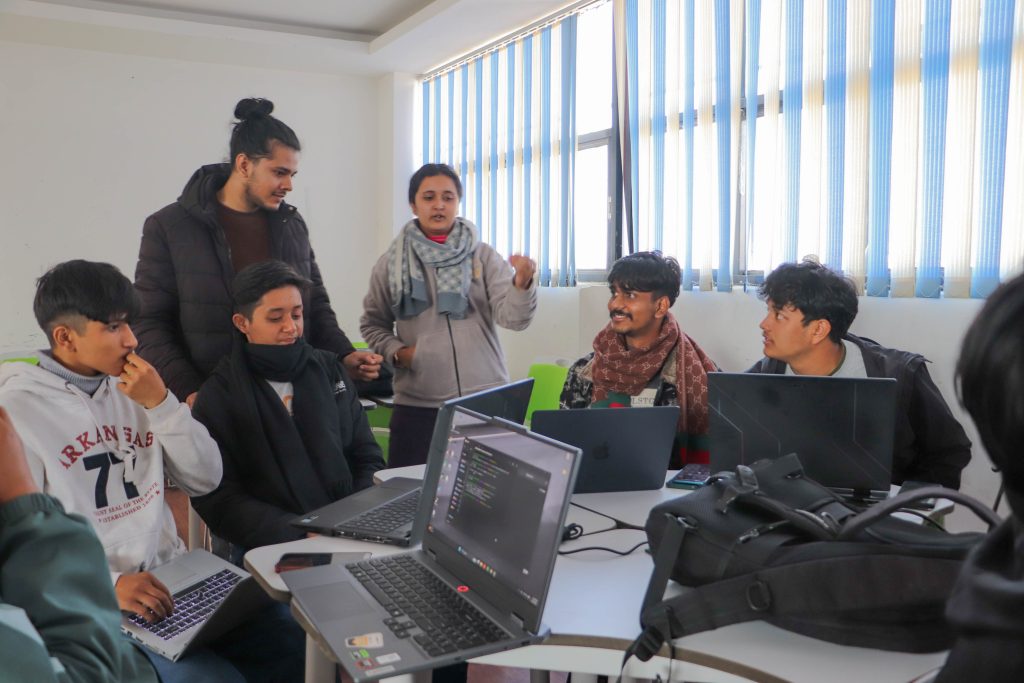
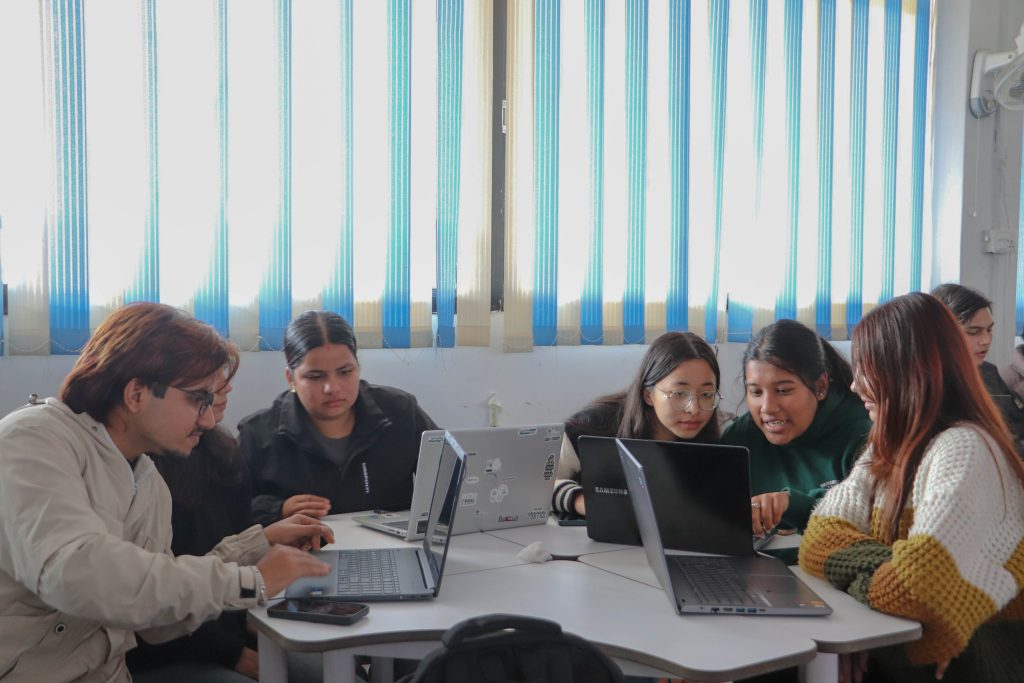
Projects play an especially important role. Many students in Kathmandu and other cities work on projects like e-commerce platforms, mobile apps, or management systems as part of their coursework. These projects not only improve coding skills but also teach teamwork, problem-solving, and time management.
Institutions are also investing in advanced labs and innovation spaces. For instance, AI-focused labs provide students with access to tools like Python, TensorFlow, and cloud platforms, allowing them to work on machine learning and data science projects . This exposure helps students stay aligned with global technology trends.
Additionally, coding competitions, hackathons, and workshops are becoming more common in Nepal. These events challenge students to solve problems under pressure, encouraging creativity and innovation.
In summary, practical labs and projects are the backbone of learning Coding Languages in BCA and CSIT in Nepal. They bridge the gap between theory and application, ensuring that students graduate with real skills, not just academic knowledge.
Part 9: IT Skills in Nepal: Industry Expectations from Students
As the IT sector in Nepal continues to grow, the expectations for graduates are also evolving. Understanding IT skills in Nepal is crucial for students who want to transition smoothly from college to career.
Employers today are not just looking for degrees—they are looking for skills. A student who can demonstrate proficiency in programming languages, build projects, and solve real-world problems has a clear advantage in the job market. This is why both BCA and CSIT programs are increasingly focusing on skill development alongside academic learning.
For instance, a software company in Kathmandu hiring a junior developer will prioritize candidates who can write clean code, understand version control systems like Git, and collaborate effectively in a team. These skills are often developed through projects, internships, and practical assignments during college.
Communication and problem-solving are equally important. A student who can explain their code, present their ideas, and work in a team environment is more likely to succeed. This aligns with modern educational frameworks that emphasize not just technical skills but also interpersonal and professional competencies .
Another important expectation is adaptability. Technology is constantly changing, and students must be willing to learn new languages and tools. For example, a student who learns Java in college might later need to work with Python or JavaScript in their job. The ability to adapt and learn quickly becomes a key asset.
Freelancing and remote work opportunities are also increasing in Nepal. Many students start working on platforms like Upwork or Fiverr while still in college, gaining practical experience and financial independence.
In conclusion, IT skills in Nepal go beyond coding. They include communication, adaptability, and real-world problem-solving, all of which are essential for building a successful career in the IT industry.
Part 10: Coding Languages in BCA and CSIT in Nepal: Emerging Technologies and AI
The landscape of Coding Languages in BCA and CSIT in Nepal is rapidly evolving with the rise of emerging technologies like artificial intelligence, machine learning, and cloud computing. These technologies are no longer limited to advanced research—they are becoming part of undergraduate education.
In recent years, institutions in Nepal have started integrating AI and data science into their curricula. Programming languages like Python have gained significant importance because of their role in machine learning, data analysis, and automation. Students are now learning not just how to code, but how to build intelligent systems.
For example, a CSIT student might use Python and libraries like TensorFlow to create a simple image recognition model. Similarly, a BCA student might develop a chatbot for a local business using basic AI tools. These experiences expose students to cutting-edge technologies and prepare them for future careers.
Innovation labs and specialized programs are also playing a key role. Dedicated spaces for AI and emerging technologies provide students with access to advanced tools, collaborative environments, and mentorship opportunities . This kind of exposure was rare in Nepal a decade ago but is becoming increasingly common.
Cloud computing and DevOps are other important areas. Students are learning how to deploy applications, manage servers, and work with distributed systems. These skills are highly valued in the global job market.
The integration of emerging technologies also changes how students perceive programming. It is no longer just about writing code—it is about creating solutions that can learn, adapt, and scale.
In summary, the future of Coding Languages in BCA and CSIT in Nepal is closely tied to emerging technologies. Students who embrace these changes will have a significant advantage in the evolving tech landscape.
Part 11: Programming Languages in Nepal: Career Paths After Graduation
One of the most important questions students ask is: “What can I do after learning Programming Languages in Nepal?” The answer depends on how effectively they apply their skills during their studies.
Graduates of BCA and CSIT have a wide range of career opportunities. Software development is one of the most common paths, where students use languages like Java, Python, and JavaScript to build applications. Many students in Nepal start as junior developers and gradually move into senior roles.
Web development is another popular option, especially for BCA graduates. Students who master HTML, CSS, JavaScript, and backend technologies can work as frontend or full-stack developers. Freelancing opportunities in this field are also abundant.
Data science and machine learning are emerging career paths, particularly for CSIT students. With the growing importance of data, companies are looking for professionals who can analyze and interpret data using programming languages like Python and R.
Cybersecurity is another promising field. Students who learn about secure coding practices and network security can work as ethical hackers or security analysts.
Some students also choose entrepreneurship. For example, a graduate might start a tech startup, developing software solutions for local businesses. Others pursue higher studies abroad, leveraging their programming skills to specialize further.
In conclusion, Programming Languages in Nepal open doors to diverse career paths. The key is not just learning the languages but applying them effectively through projects, internships, and continuous learning.
Part 12: BCA Course in Nepal and CSIT Course in Nepal: Choosing the Right Path
Choosing between the BCA course in Nepal and the CSIT course in Nepal is a decision that can shape a student’s future. While both programs offer strong foundations in programming, the right choice depends on individual goals, interests, and learning preferences.
For students who prefer practical, application-based learning and want to enter the job market , BCA can be a suitable option. It provides exposure to web development, software applications, and business-oriented IT skills. A student from a management background, for example, might find BCA more accessible and aligned with their strengths.
On the other hand, CSIT is ideal for students who enjoy technical depth and problem-solving. It requires a strong foundation in mathematics and logical thinking but offers greater opportunities in advanced fields like AI, data science, and system development.
Financial considerations, location, and institutional quality also play a role. Students should research colleges, facilities, and teaching methodologies before making a decision. Modern institutions that emphasize hands-on learning, industry collaboration, and innovation provide a better learning experience.
You May Also Explore
If you are planning your IT journey, you can explore more through these resources:
BCA program details at Kathford
CSIT program overview
Admissions information
Student events and workshops
Student clubs and tech communities
Ultimately, the best choice is the one that aligns with your interests and long-term goals. Both programs can lead to successful careers if approached with dedication and curiosity.
Conclusion
Coding Languages in BCA and CSIT in Nepal are more than just subjects—they are tools that shape how students think, solve problems, and build their future. Whether through BCA’s practical approach or CSIT’s technical depth, students gain valuable skills that prepare them for a rapidly evolving digital world.
The journey is not always easy. Many students struggle with coding in the beginning, but those who persist and practice consistently discover their potential. In Nepal’s growing IT landscape, the ability to code is not just an advantage—it is a necessity.
FAQs
1. What coding languages are taught in BCA and CSIT in Nepal?
Students typically learn C, C++, Java, Python, and web technologies like HTML, CSS, and JavaScript. The depth and focus vary between BCA and CSIT programs.
2. Which is better for programming in Nepal: BCA or CSIT?
BCA is more application-focused, while CSIT offers deeper technical knowledge. The better choice depends on your career goals and learning preference.
3. Is Python taught in BCA and CSIT in Nepal?
Yes, Python is increasingly included in both programs, especially for data science, AI, and automation-related subjects.
4. Do students need prior coding knowledge for BCA or CSIT?
No, both programs start from basic programming concepts, making them suitable for beginners.
5. What career options are available after learning programming in Nepal?
Students can pursue careers in software development, web development, data science, cybersecurity, or even start their own tech businesses.
6. How important are projects in learning coding languages?
Projects are extremely important as they help students apply theoretical knowledge and build practical skills required in real-world jobs.

See more articles like this


BE Computer in Nepal is one of the most sought-after choices among +2 Science students interested in technology, but what happens if your entrance...

A safe rank for engineering is one of the first things Nepali students start searching for after the IOE entrance result, especially when comparing...

Choosing to study management after +2 is an exciting step, but many students ask one important question: How difficult is the BBA or BBM...