

11 Practical Tips for IT Students to Successfully Balance Study and Work
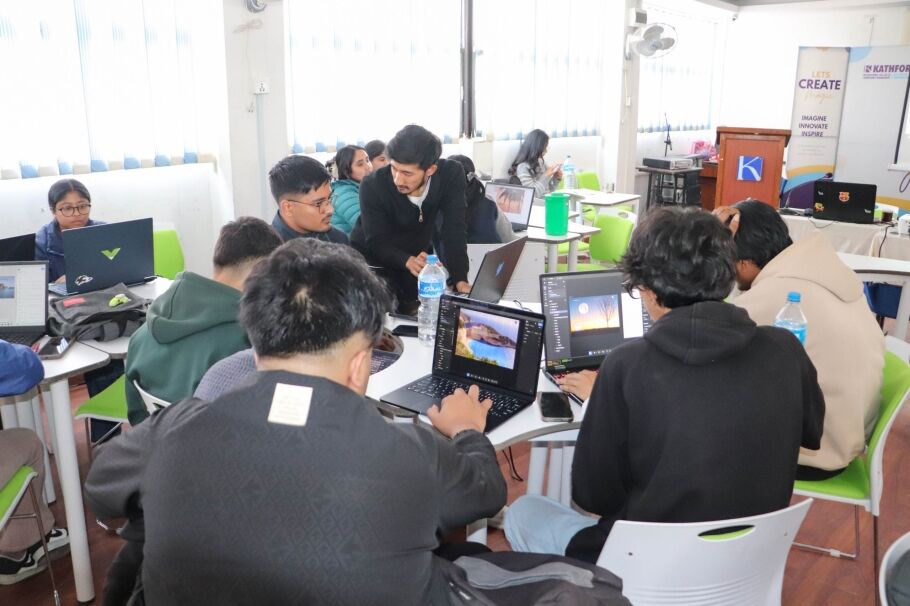
Can IT students work while studying is one of the most common questions among students in Nepal today. With rising education costs, growing interest in freelancing, and increasing demand for digital skills, many students studying BCA, BSc CSIT, or computer-related courses want to know whether balancing study and work is realistically possible. Alongside this, students are also searching for answers about IT jobs for students in Nepal, freelancing for IT students, part-time jobs for BCA students, and skills needed for remote tech jobs. The good news is that the IT field is one of the few academic areas where students can genuinely start earning before graduation if they approach it carefully and strategically.
Table of Contents
- Understanding Why IT Students Want to Work While Studying
- The Reality of Managing Study and Work in Nepal
- Best Part-Time Jobs for IT Students
- Freelancing Opportunities for IT Students in Nepal
- Skills Needed Before Starting Work in IT
- Time Management Challenges for Working Students
- How Colleges Influence Student Work Opportunities
- Real Benefits of Working During IT Studies
- Mistakes IT Students Commonly Make While Working
- Career Growth Through Internships and Industry Exposure
- The Future of Student Work in Nepal’s IT Industry
- Finding the Right Balance Between Study, Skills, and Income
Part 1: Understanding Why IT Students Want to Work While Studying
The question of whether IT students can work while studying has become increasingly relevant in Nepal because the education landscape itself is changing. A decade ago, most students focused entirely on completing their degrees before thinking about employment. Today, however, students are exposed to freelancing platforms, remote work opportunities, startups, online certifications, and global tech communities from the beginning of their academic journey. This exposure naturally creates curiosity about earning while learning.
For many Nepali students, financial pressure is one of the biggest reasons for seeking work opportunities during college years. Families often invest heavily in higher education, especially when students move from districts outside Kathmandu Valley to pursue IT programs. Hostel costs, transportation expenses, internet subscriptions, laptops, project materials, and software tools all add to the burden. Because of this reality, students frequently search for practical ways to reduce dependence on family support while gaining real-world experience.
At the same time, many students are motivated by something deeper than money. They realize that the modern IT industry values practical skills more than theoretical marks alone. A student who has built websites, contributed to open-source projects, completed freelance tasks, or managed real clients often becomes more employable than someone who only focused on exams. This shift is especially visible in software development, cybersecurity, UI/UX design, cloud computing, and AI-related careers.
Kathford International College also emphasizes learning beyond traditional classroom boundaries through the Kathford Learning Experience Model (KLEM), which promotes critical thinking, professional skills, innovation, and real-world engagement. Programs connected to IT and computing increasingly integrate practical learning environments, workshops, projects, mentorship, and industry-oriented exposure so students gradually become career-ready rather than waiting until graduation.
A realistic example can be seen in many BCA or BSc CSIT students in Kathmandu who begin by learning WordPress development or graphic design during their first year. Initially, they may only earn small amounts designing posters or editing websites for local businesses. Over time, these experiences help them build portfolios, client communication skills, and technical confidence. By the final year, some students are already working remotely for international clients or Nepali startups.
However, wanting to work and being ready to work are not always the same thing. Many students underestimate the discipline required to balance deadlines, coding practice, assignments, presentations, and exams simultaneously. This is why understanding both opportunities and challenges becomes essential before making any decision about working during IT studies.
Part 2: The Reality of Managing Study and Work in Nepal
Working while studying sounds attractive in theory, but the actual experience can be physically and mentally demanding. Many Nepali students imagine flexible schedules and easy online income after watching success stories on YouTube or social media. In reality, balancing college responsibilities with work commitments requires maturity, planning, and patience.
The structure of most IT programs in Nepal already demands significant effort. Courses like programming fundamentals, database management systems, networking, data structures, operating systems, and software engineering require continuous practice rather than last-minute preparation. Students who fail to maintain consistency often struggle academically, especially during practical exams and project submissions.
One major challenge is time exhaustion. Students may attend classes during the day and work during evenings or weekends. Initially, this routine feels manageable, but after several months, fatigue begins affecting concentration and motivation. Students sometimes start missing lectures, delaying assignments, or sacrificing sleep. Eventually, both academic performance and work quality suffer.
This challenge becomes even more complicated for students living away from home. A student from Butwal or Dharan studying in Kathmandu may already be managing cooking, laundry, transportation, and hostel life independently. Adding work responsibilities on top of that can create overwhelming pressure if there is no structured routine.
At the same time, not all work opportunities are equally suitable for students. Some jobs demand fixed schedules that clash with college timings. Others may involve repetitive tasks with little technical learning value. Students must therefore evaluate whether a job supports their long-term career goals or merely provides short-term income.
Kathford’s academic philosophy strongly emphasizes student-centered learning, adaptability, experiential education, and professional development. This approach reflects a broader understanding that students learn best when theoretical knowledge connects with real-world application. Similarly, IT-focused learning environments at Kathford encourage exposure to AI labs, cybersecurity workshops, collaborative projects, and industry-oriented skill development. Such ecosystems can make it easier for students to engage in productive technical work while continuing their studies responsibly.
A common real-world example involves students who start freelancing too early without foundational skills. A first-semester student may attempt professional web development projects after watching a few tutorials online. When clients demand revisions or advanced functionality, the student becomes overwhelmed and loses confidence. This situation often creates stress instead of growth.
On the other hand, students who gradually build skills before accepting paid work tend to perform much better. They understand how to communicate with clients, estimate timelines, and balance academic priorities. The key difference lies in preparation and realistic expectations.
Working while studying is possible, but it should not become a race to earn quickly. The most successful IT students are usually those who treat college years as a learning phase first and an earning phase second. Income becomes more sustainable when skills become genuinely valuable.
Part 3: Best Part-Time Jobs for IT Students
One of the biggest advantages IT students have compared to many other academic fields is the variety of flexible work opportunities available to them. Unlike traditional part-time jobs that require fixed physical presence, IT-related work can often be done remotely, project-wise, or during flexible hours. This flexibility makes the field particularly suitable for students trying to balance education and employment.
Among the most common starting points for Nepali IT students is web development. Small businesses, educational consultancies, tuition centers, restaurants, and local shops increasingly need websites and social media presence. Students who learn HTML, CSS, JavaScript, WordPress, or React can begin with small projects and gradually move toward more advanced development roles.
Graphic design is another popular path. Many BCA and BSc CSIT students start by designing posters, logos, banners, or social media graphics using Canva, Photoshop, or Illustrator. Since businesses constantly require digital marketing materials, even beginner designers can find freelance opportunities relatively quickly.
Content management and digital marketing roles are also growing. Students who understand SEO, analytics, social media campaigns, and content strategy can work part-time for startups or agencies. These roles often improve communication and analytical thinking alongside technical skills.
Another increasingly popular option is technical support or QA testing. Startups and software companies sometimes hire students for software testing, documentation, or customer support roles because they require basic technical understanding and problem-solving abilities rather than advanced programming expertise.
Kathford’s IT-oriented academic ecosystem highlights hands-on learning, AI integration, cloud platforms, cybersecurity exposure, and collaborative technical projects that align closely with modern industry needs. Similarly, the KLEM framework for computer engineering emphasizes professional skills, analytical thinking, teamwork, problem-solving, and familiarity with emerging technologies. These learning structures reflect how academic environments are evolving to support employability alongside theoretical education.
A realistic example can be seen in second-year students who begin by assisting seniors or local businesses with basic WordPress maintenance. Initially, tasks may involve uploading blogs, fixing layouts, or updating plugins. Over time, these students learn hosting management, frontend development, and client communication. Within two years, many are capable of independently managing projects.
However, students should avoid choosing work solely based on quick earnings. Jobs unrelated to skill growth may consume time without improving long-term career prospects. For instance, working extended shifts in unrelated service sectors may provide immediate income but often leaves little time for technical development.
The best student jobs usually satisfy three conditions simultaneously: flexible timing, skill improvement, and portfolio development. When students focus on opportunities that strengthen future employability, even small early experiences become valuable career foundations.
Part 4: Freelancing Opportunities for IT Students in Nepal
Freelancing has transformed the way many Nepali IT students think about work and career development. Earlier generations mostly depended on traditional office jobs after graduation, but today’s students can access global clients directly from their laptops. This shift has made freelancing one of the most attractive options for students studying IT-related programs.
Platforms like Upwork, Fiverr, Freelancer, and Toptal have opened opportunities in web development, app development, graphic design, SEO, content writing, cybersecurity, video editing, UI/UX design, and AI-related services. Even local Facebook groups and LinkedIn communities now function as informal marketplaces where students find small projects.
The appeal of freelancing comes from flexibility. Students can often work during evenings, weekends, or semester breaks without committing to fixed office schedules. This arrangement allows them to continue studies while building practical industry experience. In some cases, successful freelancers eventually transition into full-time remote careers before graduation.
However, freelancing is far more competitive than many students initially expect. Creating a profile on a freelancing platform does not automatically generate clients. Students must develop technical competence, communication skills, professionalism, and patience. Many freelancers spend months improving portfolios before receiving consistent work.
One important issue for Nepali students is unrealistic expectations created by social media influencers who advertise “easy online income.” Some students begin freelancing without proper preparation and quickly become discouraged after repeated rejections. In reality, freelancing success usually grows slowly through reputation, reviews, networking, and continuous improvement.
Kathford’s broader educational philosophy emphasizes experiential learning, innovation, problem-solving, and industry engagement, encouraging students to connect classroom knowledge with practical applications. Additionally, the proposed AI and Innovation Lab at Kathford envisions an interdisciplinary environment supporting AI tools, startups, coding projects, research, collaboration, and entrepreneurial growth. Such ecosystems are highly relevant for students interested in freelance tech careers because they encourage experimentation and project-based learning.
A common real-life example involves students who start freelancing through local networks before moving to international platforms. A student may first design a website for a relative’s business or help a local institute with social media management. These small projects become portfolio pieces that later help secure larger international contracts.
Freelancing also teaches valuable soft skills rarely learned through textbooks alone. Students learn negotiation, deadline management, proposal writing, professionalism, and client communication. These experiences often improve confidence significantly.
Still, freelancing should not replace academic learning entirely. Some students begin earning early and gradually lose interest in completing their degrees or strengthening foundational concepts. This becomes risky because technologies change rapidly. Without strong fundamentals, long-term career growth becomes difficult.
The healthiest approach is to view freelancing as an extension of learning rather than merely a source of income. Students who combine education with practical freelance experience often graduate with both theoretical understanding and real-world capability.
Continue
Part 5: Skills Needed Before Starting Work in IT
Many students become excited about the idea of earning while studying, but they often overlook one important reality: companies and clients hire skills, not degrees alone. This is why students should focus first on building strong technical and professional foundations before actively searching for work opportunities. Without practical capability, even the best freelancing platform or internship opportunity becomes difficult to sustain.
One of the first essential skills is programming logic. Whether students eventually choose web development, app development, cybersecurity, AI, or cloud computing, logical thinking forms the base of everything in IT. Students who only memorize code without understanding problem-solving struggle when facing real-world tasks. Languages like Python, JavaScript, Java, and C++ help students gradually develop analytical thinking and structured problem-solving ability.
Communication skills are equally important. Many technically strong students fail during interviews or client meetings because they cannot clearly explain their ideas. Working while studying requires interaction with clients, teammates, supervisors, and mentors. Students who learn to communicate professionally often progress faster than those who only focus on coding.
Another critical skill is self-learning. Technology evolves rapidly, and college syllabi alone cannot cover every modern framework or tool. Successful students regularly explore online tutorials, documentation, GitHub projects, and technical communities outside classroom requirements. This habit becomes especially valuable for freelancing and remote work, where independent problem-solving is expected.
Kathford’s academic philosophy strongly emphasizes active learning, critical thinking, adaptability, innovation, and experiential education. Similarly, the KLEM structure for Computer Engineering highlights technical proficiency, analytical skills, project management, collaboration, and emerging technologies such as AI and machine learning. These frameworks reflect the growing recognition that employability in the IT field depends heavily on practical and interdisciplinary capabilities.
Students also need familiarity with modern tools used in professional environments. Version control systems like GitHub, collaborative platforms like Slack or Trello, cloud tools, debugging environments, and deployment basics are increasingly expected even from interns. The AI and Innovation Lab proposal at Kathford includes tools like Docker, Kubernetes, TensorFlow, VS Code, GitHub, Firebase, and Streamlit to support real-world technical learning. Exposure to such environments can help students transition more smoothly into industry roles.
A realistic example can be seen in students who spend their first year only chasing certificates without building actual projects. They may complete many online courses but still struggle during interviews because they cannot demonstrate practical implementation. In contrast, students who build even simple personal projects — such as portfolio websites, inventory systems, or mobile apps — usually gain deeper understanding and stronger confidence.
Soft skills also matter more than many students realize. Time management, professionalism, patience, and accountability become essential once real deadlines and client expectations enter the picture. A technically talented student who misses deadlines repeatedly may lose opportunities quickly.
Ultimately, students should avoid rushing into paid work before they are ready. Strong foundational skills create long-term career stability. The goal should not simply be earning early income but becoming capable enough to sustain continuous growth in a highly competitive industry.
Part 6: Time Management Challenges for Working Students
One of the biggest reasons some IT students succeed while working and others struggle is time management. Balancing classes, assignments, projects, self-learning, exams, and work responsibilities can become extremely stressful if students do not develop structured routines. Many students underestimate how quickly small delays accumulate into academic pressure and mental exhaustion.
The IT field itself requires consistent practice. Programming cannot be mastered through last-minute preparation alone. Students need regular coding sessions, debugging practice, project work, and revision. When work commitments consume too much energy, students often begin skipping these learning habits. Initially, the impact may seem small, but over semesters, gaps in understanding become difficult to recover from.
A common problem among Nepali students is irregular scheduling. Some students accept freelance projects without realistically estimating the workload. Others try to manage full-time office jobs alongside demanding academic programs. Eventually, sleep schedules collapse, productivity declines, and burnout appears. This situation becomes especially dangerous during exam periods or final-year project deadlines.
Social pressure also contributes to poor balance. Students sometimes compare themselves with peers who appear successful online. Seeing friends earn through freelancing or internships creates anxiety and impatience. As a result, students may overcommit to work before they are emotionally or technically prepared.
Kathford’s educational philosophy recognizes the importance of holistic development, emotional intelligence, adaptability, and student-centered learning. The broader KLEM framework also highlights life and career skills such as flexibility, resilience, accountability, leadership, and self-direction. These principles are highly relevant for working students because technical ability alone is insufficient without discipline and balance.
Many experienced students recommend using semester-based planning rather than daily motivation. During lighter academic periods, students can take larger freelance projects or internships. During exam seasons, workloads should be reduced intentionally. This flexibility prevents academic collapse while still allowing continuous professional growth.
A practical example can be seen in students preparing for final practical exams while simultaneously managing multiple freelance deadlines. Those without structured schedules often rush both responsibilities and perform poorly in each. Meanwhile, students who communicate honestly with clients, prioritize important tasks, and maintain realistic commitments generally sustain both academic performance and work quality.
Another overlooked issue is health. Long screen hours, irregular sleep, stress, and lack of physical activity gradually affect concentration and mental well-being. Students may believe sacrificing health temporarily is necessary for success, but burnout often reduces productivity much more severely in the long run.
This is why balance matters more than speed. Working while studying should enhance learning and career readiness, not destroy academic foundations or personal well-being. Students who manage time wisely usually develop not only technical competence but also professional maturity that becomes valuable throughout their careers.
Part 7: How Colleges Influence Student Work Opportunities
The ability of IT students to work while studying does not depend only on individual effort. The college environment itself plays a major role in shaping opportunities, confidence, and practical readiness. Some academic institutions still follow rigid lecture-focused systems where students spend most of their energy memorizing theory for examinations. Others increasingly encourage project-based learning, industry exposure, collaboration, and innovation. The difference between these approaches significantly affects whether students can realistically balance study with professional growth.
Students generally perform better in work environments when their college curriculum already includes practical assignments, labs, workshops, presentations, and collaborative projects. These experiences gradually develop technical confidence and communication ability. A student who regularly participates in coding projects or practical labs adapts more easily to internships and freelance work compared to someone whose learning is limited to theoretical exams.
Kathford’s academic philosophy strongly emphasizes transformative and student-centered learning that goes beyond traditional classroom instruction. The Kathford Learning Experience Model (KLEM) specifically promotes professional skills, innovation, critical thinking, experiential learning, collaboration, and career readiness. This approach reflects an important shift in modern higher education: colleges are increasingly expected to prepare students not only academically but also professionally.
In IT-related programs, practical infrastructure matters greatly. Students benefit when institutions provide access to updated labs, coding environments, mentorship, workshops, hackathons, industry talks, and collaborative technical spaces. Kathford’s proposed AI and Innovation Lab reflects this direction by planning interdisciplinary workspaces focused on AI, machine learning, cloud technologies, research, startups, and real-world innovation. Such environments encourage students to experiment with practical technologies before entering professional settings.
Industry connections also influence student opportunities. Colleges that maintain relationships with software companies, startups, and tech communities often help students secure internships, project collaborations, and networking opportunities. These early experiences frequently become gateways to part-time work or full-time careers after graduation.
A realistic example can be seen in students who participate actively in college clubs, coding events, or collaborative workshops. Through these activities, they meet seniors, mentors, and professionals who later recommend freelance opportunities or internships. In contrast, students who remain academically isolated may struggle to understand real industry expectations despite having good grades.
Another important factor is faculty attitude. Supportive instructors who encourage project work, experimentation, and independent learning often create healthier academic environments for working students. However, if academic systems are excessively rigid or discourage practical exploration, students may find it harder to balance both worlds effectively.
Ultimately, colleges influence much more than classroom learning. They shape confidence, exposure, professional mindset, and career readiness. Students who choose learning environments that value innovation and experiential growth often find it easier to transition into professional work while continuing their studies successfully.
Part 8: Real Benefits of Working During IT Studies
When managed properly, working while studying can provide IT students with advantages that extend far beyond earning money. Many students initially start freelancing or part-time work because of financial needs, but over time they discover that practical experience often accelerates personal and professional growth in ways traditional classroom learning alone cannot achieve.
One major benefit is confidence building. Students who work on real projects gradually stop viewing technology as purely academic theory. Instead of simply learning concepts for exams, they begin understanding how software, systems, networks, and digital tools solve actual business problems. This shift from theoretical learning to practical application strengthens problem-solving ability significantly.
Professional exposure is another important advantage. Students who interact with clients, supervisors, or development teams learn workplace communication, teamwork, professionalism, and accountability much earlier than their peers. These soft skills become highly valuable during internships and job interviews after graduation.
Working students also develop stronger awareness of industry trends. A student involved in web development projects, cybersecurity tasks, or cloud deployment work gains firsthand understanding of modern tools and technologies currently used in the market. This exposure often motivates students to learn beyond university syllabi and remain adaptable in a rapidly evolving field.
Kathford’s educational philosophy highlights experiential learning, project-based engagement, professional development, and continuous improvement as central aspects of student growth. Likewise, the KLEM framework for IT and computer-related programs emphasizes innovation skills, analytical thinking, collaboration, and industry-relevant learning experiences. These ideas reflect the growing understanding that career readiness develops through active participation rather than passive observation alone.
Financial independence also has psychological benefits. Even modest income can reduce pressure on families and improve student confidence. Many students feel more responsible and motivated once they begin contributing toward their own educational expenses, internet costs, or personal needs.
A common example in Nepal involves students who begin with small freelance tasks during their second year and later secure internships because they already possess portfolios and practical experience. During interviews, these students can discuss real challenges they faced while working with clients or building systems. This practical perspective often differentiates them from candidates who only discuss coursework.
Another benefit is career clarity. Many students enter IT programs without fully understanding which specialization suits them best. Through internships or part-time work, they discover whether they enjoy frontend development, backend systems, cybersecurity, AI, UI/UX design, data analytics, or cloud computing. Early exposure prevents confusion later in their careers.
However, the benefits only appear when balance exists. Students who neglect academics completely for short-term earnings may weaken their long-term foundations. Sustainable success comes when work complements learning rather than replacing it.
Working during IT studies is valuable not because students earn quickly, but because they gradually transform from learners into professionals capable of adapting to real industry environments with confidence and maturity.
Part 9: Mistakes IT Students Commonly Make While Working
Although working while studying can be highly beneficial, many IT students in Nepal also make avoidable mistakes that eventually create academic stress, career confusion, or burnout. Most of these problems do not happen because students lack talent. Instead, they happen because students move too quickly without proper planning, balance, or long-term thinking.
One of the most common mistakes is prioritizing short-term income over long-term skill development. Some students become excited after earning their first freelance payment or internship salary and begin accepting every available project regardless of workload. Initially, this feels productive, but over time they stop practicing fundamentals, miss academic concepts, and lose the opportunity to build deeper technical expertise.
Another major issue is overconfidence after learning basic skills. Many beginner developers or designers start freelancing immediately after completing a few online tutorials. However, real-world projects involve debugging, revisions, communication challenges, deployment problems, and changing client expectations. Students who underestimate this complexity often struggle emotionally when projects become difficult.
Poor communication is another serious problem. Some students disappear when deadlines become stressful or avoid informing clients about delays. This behavior damages reputation quickly. In professional environments, honesty and communication are often valued as much as technical ability. A student who communicates clearly and responsibly is more likely to receive repeat work opportunities.
Kathford’s academic philosophy emphasizes accountability, integrity, lifelong learning, collaboration, and professional growth as core educational values. Similarly, the KLEM framework encourages interpersonal skills, project management, communication, and critical thinking alongside technical competence. These principles are especially important for students entering work environments early because professionalism becomes part of learning itself.
Another mistake many students make is ignoring health and mental balance. Students sometimes spend nights coding for clients while attending morning classes without proper sleep. Over several months, this routine reduces concentration, creativity, and motivation. Burnout becomes common, especially during exam periods or major project deadlines.
A realistic example can be seen in students who earn early success through freelance web development and gradually stop attending classes regularly. Because income starts coming in, they begin believing formal education is unnecessary. Later, when technologies evolve or projects become more advanced, they struggle due to weak foundations in algorithms, systems design, networking, or software engineering principles.
Students also frequently underestimate the importance of teamwork. Freelancing alone may improve independence, but larger professional environments require collaboration, version control practices, documentation, and communication within teams. Students who isolate themselves technically may later struggle in company settings.
Another growing problem is copying projects without genuine understanding. Some students download templates or clone GitHub repositories to impress clients or recruiters. While this may create temporary results, it prevents real learning and eventually becomes obvious during technical interviews or advanced project discussions.
The most successful students usually avoid chasing fast money or instant recognition. Instead, they focus on steady improvement, realistic workloads, strong fundamentals, professionalism, and sustainable growth. Mistakes are normal during the learning process, but students who reflect carefully and adjust early often develop stronger careers over time.
Part 10: Career Growth Through Internships and Industry Exposure
For IT students, internships often become the bridge between academic learning and professional careers. While freelancing teaches independence and flexibility, internships expose students to structured workflows, collaborative environments, real business systems, and professional expectations. This combination helps students understand how the IT industry actually operates beyond textbooks and tutorials.
One important advantage of internships is exposure to teamwork. In college assignments, students usually work within small groups under limited pressure. In companies, however, projects involve deadlines, coordination, reporting structures, quality assurance, documentation, and communication across departments. Students gradually learn how software products move from planning to deployment in real environments.
Internships also help students identify skill gaps. Many students believe they are industry-ready because they know programming basics or have completed online courses. Once they enter professional environments, they realize companies expect knowledge of debugging practices, version control systems, testing workflows, deployment methods, databases, security standards, and collaborative tools. This realization often motivates deeper learning.
Kathford’s academic framework emphasizes experiential learning, project-based engagement, internships, mentorship, and employability initiatives as essential components of student development. The Computer Engineering KLEM structure also highlights professional development, career planning, practical labs, guided projects, and industry collaboration as part of preparing students for evolving technological careers.
Industry exposure is particularly valuable in Nepal’s growing startup ecosystem. Many startups hire interns who later transition into junior developer or support roles. Because startups usually operate with smaller teams, interns often receive opportunities to work on real systems much earlier than they would in larger corporations. This practical involvement accelerates learning significantly.
A realistic example can be seen in students who begin internships during their third year. Initially, they may handle small testing tasks, bug fixes, or content updates. Over time, as supervisors observe reliability and curiosity, these students often receive larger responsibilities involving APIs, cloud deployment, or frontend features. By graduation, many already possess experience equivalent to entry-level employees.
Internships also help students build professional networks. Relationships formed with mentors, seniors, HR managers, or colleagues often create future opportunities. In Nepal’s IT sector, referrals and professional reputation frequently influence hiring decisions. Students who maintain professionalism during internships often receive job offers or recommendations later.
Another major benefit is career clarity. Some students enter internships believing they want software development careers but later discover stronger interest in cybersecurity, DevOps, UI/UX design, business analysis, or data analytics. Early industry exposure allows students to make informed decisions before fully entering the workforce.
However, students should choose internships carefully. Some organizations misuse interns for repetitive non-technical tasks without providing learning opportunities. Students should evaluate whether an internship genuinely contributes to technical growth, mentorship, and professional exposure rather than simply adding experience certificates.
Ultimately, internships are valuable because they help students transition gradually into professional identity. Instead of suddenly entering industry after graduation with uncertainty, students develop confidence, awareness, and practical understanding while still within the academic environment.
Part 11: The Future of Student Work in Nepal’s IT Industry
The future of working while studying appears increasingly promising for IT students in Nepal because the structure of the global technology industry itself is changing rapidly. Remote work, freelancing, AI tools, startup culture, cloud computing, and digital entrepreneurship are expanding opportunities far beyond traditional office jobs. Students today are entering an environment where skills can create opportunities even before graduation.
One major change is the normalization of remote work. International companies and startups now regularly hire remote developers, designers, content managers, and technical support staff from different countries. This trend creates opportunities for Nepali students who possess competitive digital skills and reliable internet access. Students no longer need to wait for migration or relocation to participate in global technology work.
Artificial Intelligence is also reshaping the IT ecosystem. While some students fear AI may replace jobs, the reality is more complex. AI tools are increasing demand for adaptable professionals who understand automation, machine learning integration, data handling, cybersecurity, and intelligent systems. Students who learn how to work alongside emerging technologies will likely find more opportunities rather than fewer.
Kathford’s proposed AI and Innovation Lab reflects this future-oriented direction by emphasizing interdisciplinary AI learning, entrepreneurship, cloud platforms, machine learning tools, collaborative innovation, and startup development. Similarly, Kathford’s IT-focused learning materials highlight AI-driven curriculum models, cloud systems, cybersecurity integration, and hands-on innovation environments designed to prepare students for modern digital careers.
Nepal’s own startup ecosystem is gradually expanding as well. E-commerce platforms, fintech companies, edtech startups, digital marketing agencies, SaaS businesses, and AI-related ventures increasingly require young technical talent. Students who gain practical experience early often become attractive candidates for these growing industries.
A realistic example can be seen in students who start with freelance projects during college and later transition into remote full-time roles for international companies. In earlier generations, this pathway was uncommon. Today, however, many Nepali developers contribute to global projects directly from Kathmandu, Pokhara, Biratnagar, or even smaller towns.
At the same time, competition is becoming more intense. Because online opportunities are global, students are no longer competing only with local graduates. They compete with freelancers and developers worldwide. This reality makes continuous learning extremely important. Strong communication, adaptability, problem-solving ability, and professional ethics will matter even more in future job markets.
Another important trend is the increasing value of portfolios over certificates alone. Employers and clients increasingly evaluate GitHub projects, deployed applications, technical blogs, internships, open-source contributions, and practical achievements. Students who actively build visible work during college years will likely possess stronger career advantages after graduation.
However, students should also remain realistic. Not every student will earn large amounts immediately through freelancing or remote work. Success usually comes gradually through consistency, skill development, networking, and patience. Social media often shows exceptional success stories while hiding years of struggle behind them.
The future remains highly promising for IT students willing to learn continuously and adapt responsibly. Technology careers are becoming more flexible, global, and skill-oriented, making this one of the few fields where students can genuinely combine education and professional growth simultaneously.
Part 12: Finding the Right Balance Between Study, Skills, and Income
The question is no longer whether IT students can work while studying. The more important question is whether they can do so in a balanced and sustainable way. The answer depends less on intelligence and more on discipline, priorities, emotional maturity, and long-term thinking.
Many students enter IT education believing success depends entirely on mastering coding languages or technical frameworks. While technical ability is important, career growth actually depends on a combination of consistency, adaptability, communication, self-learning, and responsible decision-making. Students who learn these habits during college years often perform better professionally later.
Academic foundations still matter greatly. Subjects like data structures, networking, operating systems, software engineering, cybersecurity fundamentals, and databases may sometimes feel theoretical during college. However, these concepts become increasingly valuable as students progress into advanced technical work. Students who neglect fundamentals for short-term freelance income often face limitations later when systems become more complex.
Kathford’s educational philosophy repeatedly emphasizes holistic growth, critical thinking, experiential learning, innovation, professional readiness, and student-centered development. The broader learning frameworks across IT and engineering programs also stress adaptability, leadership, collaboration, career planning, and lifelong learning. These ideas reflect an important reality: sustainable success requires balanced development rather than narrow technical focus alone.
A practical approach for most students is gradual progression. During the first year, students can focus mainly on foundational skills and personal projects. In the second year, they may begin small freelance tasks or collaborative internships. By the third and fourth years, they are often better prepared for larger projects, industry exposure, or remote work opportunities. This gradual approach reduces stress while strengthening confidence.
Students should also define personal goals honestly. Some may prioritize financial independence because of family responsibilities. Others may focus more heavily on research, higher studies, startups, or specialization. There is no single correct path. What matters is maintaining clarity about priorities and avoiding unhealthy comparison with others.
Mental and physical health should never be ignored during this process. Sustainable productivity requires proper sleep, social balance, emotional stability, and realistic expectations. Students who constantly overwork themselves often lose motivation and creativity over time.
You May Also Explore
Students interested in IT careers, innovation, and practical learning environments can also explore programs and activities at Kathford through resources such as BSc CSIT Program, BCA Program, Admissions Information, Kathford Events and Workshops, and Kathford Blogs and Student Resources. Students interested in emerging technologies can also explore learning opportunities connected to AI innovation, cybersecurity, cloud systems, and practical project development environments.
Conclusion
IT students can absolutely work while studying, but success depends on balance rather than speed. Students who focus only on quick earnings often struggle academically and professionally later. In contrast, students who gradually build technical skills, maintain academic foundations, manage time responsibly, and seek meaningful practical exposure usually gain both career readiness and confidence before graduation.
The modern IT industry rewards adaptability, continuous learning, and real-world capability. This creates valuable opportunities for Nepali students willing to learn patiently and work responsibly. Whether through freelancing, internships, remote projects, or startup collaborations, students can transform their college years into a powerful foundation for future careers.
Ultimately, the goal should not simply be earning while studying. The real goal should be becoming capable, resilient, and professionally prepared for a rapidly evolving digital world.
FAQs
1. Can BCA students work while studying in Nepal?
Yes, many BCA students in Nepal work part-time through freelancing, internships, web development, graphic design, digital marketing, and remote technical support roles while continuing their studies.
2. Is freelancing good for IT students?
Freelancing can be highly beneficial for IT students because it builds practical experience, communication skills, portfolios, and financial independence. However, students should maintain balance with academics.
3. Which part-time jobs are best for IT students?
Web development, graphic design, content management, SEO, app development, QA testing, and technical support are among the most suitable part-time jobs for IT students.
4. Can IT students earn money online in Nepal?
Yes, many IT students earn online through freelancing platforms, remote internships, digital services, coding projects, and startup collaborations using skills like programming and design.
5. Do internships help IT students get jobs later?
Internships provide industry exposure, teamwork experience, networking opportunities, and practical learning, which significantly improve employability after graduation.
6. Is it difficult to balance study and work in IT?
Balancing study and work can be challenging if students lack proper time management. However, students who maintain realistic schedules and prioritize learning usually manage successfully.

See more articles like this


BE Computer in Nepal is one of the most sought-after choices among +2 Science students interested in technology, but what happens if your entrance...
A safe rank for engineering is one of the first things Nepali students start searching for after the IOE entrance result, especially when comparing...
Choosing to study management after +2 is an exciting step, but many students ask one important question: How difficult is the BBA or BBM...