


7 Best and Easy Tips to Choose Between BE Computer vs BE Civil vs BE Electronics

BE Computer vs BE Civil vs BE Electronics: Which to Choose? is one of the most confusing decisions for +2 Science students in Nepal, especially when considering BE Computer Engineering Nepal, BE Civil Engineering Nepal, Electronics and Communication Engineering Nepal, engineering career scope in Nepal, and best engineering course after +2 Nepal as key factors. Every student stands at a crossroads after SEE and +2, wondering which path will shape their future, satisfy family expectations, and provide stability in Nepal’s evolving job market.
Table of Contents
- BE Computer vs BE Civil vs BE Electronics: Understanding the Core Difference
- BE Computer Engineering Nepal: Course Structure and Learning Experience
- BE Civil Engineering Nepal: Course Structure and Real-World Applications
- Electronics and Communication Engineering Nepal: Bridging Hardware and Software
- Engineering Career Scope in Nepal: Demand, Salary, and Future Trends
- Best Engineering Course After +2 Nepal: How to Choose Based on Interest
- Skills Required for BE Computer vs BE Civil vs BE Electronics
- Study Experience in Nepal: College Life, Labs, and Projects
- Cost, Scholarships, and ROI in Engineering Education
- Job Opportunities and Career Paths After Graduation
- Higher Studies and Abroad Opportunities After Engineering
- Final Decision Guide: Which Engineering is Right for You?
Part 1: BE Computer vs BE Civil vs BE Electronics – Understanding the Core Difference
Choosing between BE Computer, BE Civil, and Electronics and Communication Engineering Nepal is not just about selecting a subject; it is about choosing a lifestyle, career path, and long-term identity. Many Nepali students make this decision based on trends, peer pressure, or “scope,” but rarely understand the actual differences between these fields.
At the core, BE Computer Engineering Nepal focuses on software, systems, and intelligent technologies. Students spend most of their time coding, designing software systems, and learning about artificial intelligence, cybersecurity, and cloud computing. In contrast, BE Civil Engineering Nepal is about building the physical world—roads, bridges, buildings, and infrastructure that shape Nepal’s development. Meanwhile, Electronics and Communication Engineering Nepal sits between these two, combining hardware and communication systems like networks, signal processing, and embedded systems.
For example, a student from Kathmandu who enjoys solving logical problems and building apps may thrive in computer engineering. Another student from Pokhara whose family is involved in construction may naturally incline toward civil engineering. A third student fascinated by robotics or IoT devices might find electronics engineering more aligned.
Kathford’s learning approach reflects this distinction clearly. Its programs are designed to combine theoretical understanding with practical application through labs, projects, and internships, ensuring students don’t just learn concepts but apply them in real-world scenarios. This aligns with the broader philosophy of creating “industry-ready engineers” through hands-on learning and problem-solving approaches .
Ultimately, understanding these core differences is the first step. You are not just choosing a subject—you are choosing how you want to interact with the world: through code, infrastructure, or intelligent systems.
Part 2: BE Computer Engineering Nepal – Course Structure and Learning Experience
BE Computer Engineering Nepal is often seen as the most modern and rapidly evolving engineering field. But beyond the hype, what does the actual learning experience look like?
The journey begins with foundational subjects like mathematics, physics, and basic programming. As students progress, they dive into core areas such as data structures, operating systems, networking, and software engineering. By the final years, advanced topics like artificial intelligence, machine learning, cybersecurity, and cloud computing become central to the curriculum.
According to Kathford’s structured approach, the program is designed to build strong foundational knowledge while gradually introducing advanced tools and technologies. Students are trained not only in programming but also in hardware understanding, system design, and project management . This balance ensures graduates are versatile and adaptable.
A typical Nepali student studying computer engineering might start by learning C programming in the first year and end up building a machine learning project or web application in the final year. Many students also participate in hackathons, internships, and freelance work during their studies.
Kathford enhances this experience further through its AI-focused learning environment. The proposed AI and Innovation Lab provides students with access to tools like Python, TensorFlow, and real-world datasets, allowing them to build practical solutions and even explore startup ideas .
For example, a student from Lalitpur might start freelancing as a web developer by the third year, earning income while studying. Another might intern at a software company in Kathmandu and later transition into a full-time job.
In conclusion, BE Computer Engineering Nepal is ideal for students who enjoy problem-solving, coding, and working in digital environments. It offers flexibility, global opportunities, and the ability to work remotely—something increasingly important in today’s world.
Part 3: BE Civil Engineering Nepal – Course Structure and Real-World Applications
BE Civil Engineering Nepal remains one of the most traditional yet essential engineering fields, especially in a developing country like Nepal where infrastructure growth is constant.
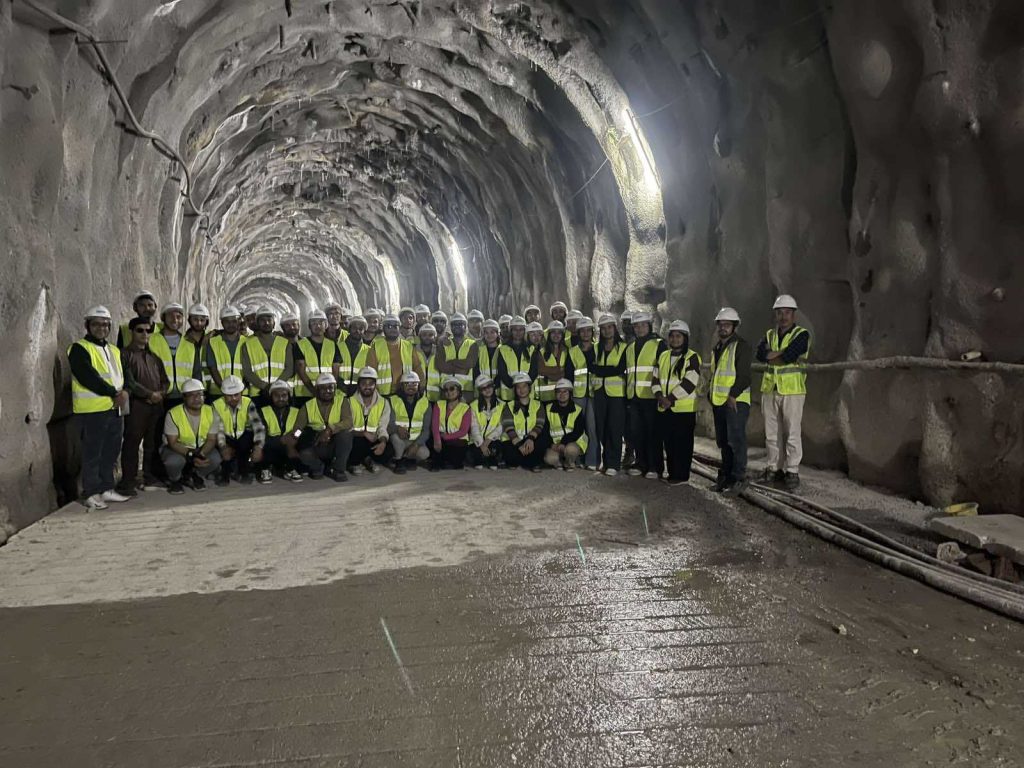
The course begins with foundational engineering subjects such as mathematics, physics, and engineering drawing. As students move forward, they study specialized areas like structural analysis, geotechnical engineering, transportation engineering, hydrology, and environmental engineering. These subjects directly relate to real-world construction and infrastructure projects.
Kathford’s civil engineering program emphasizes both theory and practical exposure. Students engage in laboratory work, field visits, surveying, and design projects that simulate real construction challenges. The program is structured to develop strong analytical skills and the ability to design safe and sustainable infrastructure .
For instance, a student from Chitwan might participate in a field survey project, measuring land and analyzing soil conditions. Another student might work on a capstone project designing a bridge or irrigation system, applying everything learned throughout the course.
What makes civil engineering unique is its direct impact on society. Every road, building, or dam contributes to national development. In Nepal, where urbanization is rapidly increasing, civil engineers play a crucial role.
Kathford also integrates modern tools like CAD, GIS, and even AI-based analysis in civil engineering education, preparing students for future-ready careers .
In conclusion, BE Civil Engineering Nepal is best suited for students who enjoy working outdoors, solving physical-world problems, and contributing to national infrastructure. It may not offer remote work like computer engineering, but it provides stability and strong demand within Nepal.
Part 4: Electronics and Communication Engineering Nepal – Bridging Hardware and Software
Electronics and Communication Engineering Nepal is often misunderstood or overlooked, yet it plays a critical role in today’s technology-driven world.
This field sits between computer engineering and electrical engineering. Students learn about electronic circuits, communication systems, signal processing, and embedded systems. The curriculum gradually evolves from basic circuit theory to advanced topics like wireless communication, IoT, and cybersecurity.
Kathford’s program emphasizes both theoretical understanding and practical application. Students work with simulation tools, hardware design platforms, and programming languages to build real-world systems .
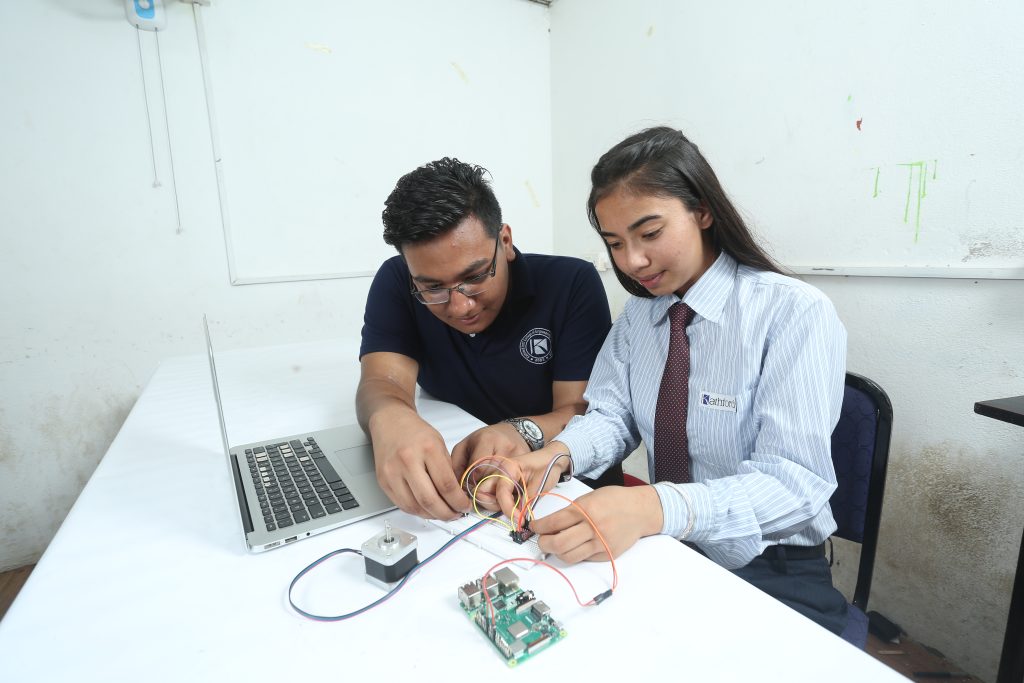
For example, a student might design a simple electronic circuit in the early semesters and later develop an IoT-based smart device or communication system. Another might work on projects involving signal processing or robotics.
One of the unique aspects of this field is its versatility. Graduates can work in telecommunications, embedded systems, networking, or even software-related roles. In Nepal, telecom companies, ISPs, and tech firms all require electronics engineers.
Kathford enhances this versatility through exposure to AI, IoT, and cybersecurity, ensuring students are not limited to traditional roles but can explore modern tech careers .
In conclusion, Electronics and Communication Engineering Nepal is ideal for students who are curious about how devices work, enjoy both hardware and software, and want a flexible career path that spans multiple industries.
Part 5: Engineering Career Scope in Nepal – Demand, Salary, and Future Trends
When choosing between BE Computer, BE Civil, and Electronics and Communication Engineering Nepal, one of the biggest concerns for students and parents is career scope.
In Nepal, civil engineering has always been in demand due to ongoing infrastructure development. Government projects, private construction companies, and consultancy firms continuously require civil engineers. Many graduates also prepare for Lok Sewa exams for stable government jobs.
Computer engineering, on the other hand, has seen rapid growth in recent years. With the rise of IT companies, startups, and outsourcing firms in Kathmandu, Lalitpur, and Pokhara, computer engineers have more opportunities than ever. Many even work remotely for international clients, earning in dollars.
Electronics engineering falls somewhere in between. While opportunities in Nepal are more limited compared to computer engineering, the field offers strong potential in telecommunications, networking, and emerging technologies like IoT and robotics.
Kathford’s approach to career development focuses on preparing students not just academically but professionally. Through internships, workshops, and industry collaborations, students gain practical experience that enhances employability .
For example, a computer engineering student might start freelancing during college, while a civil engineering student might intern at a construction site. An electronics student might work with networking equipment or IoT systems.
In conclusion, all three fields have scope—but in different ways. The key is aligning your interests with market demand rather than blindly following trends.
Part 6: Best Engineering Course After +2 Nepal – How to Choose Based on Interest
The question “best engineering course after +2 Nepal” has no universal answer. The best course depends entirely on the student’s interests, strengths, and long-term goals.
Many students choose computer engineering because it is popular, but later struggle with coding and lose motivation. Others choose civil engineering due to family influence but realize they dislike fieldwork. Some avoid electronics because they don’t fully understand it, missing out on a versatile field.
The reality is that each field requires a different mindset. Computer engineering demands logical thinking and patience for debugging. Civil engineering requires practical understanding and willingness to work on-site. Electronics engineering needs curiosity about systems and strong analytical skills.
Kathford’s student-centered approach emphasizes understanding individual goals and aligning education accordingly. The KLEM model focuses on developing not just academic knowledge but also skills, adaptability, and career readiness .
For instance, a student who enjoys mathematics and programming competitions might excel in computer engineering. A student who enjoys designing structures or observing construction might thrive in civil engineering. A student fascinated by electronics, robotics, or communication systems might find their passion in electronics engineering.
In conclusion, the best engineering course after +2 Nepal is not the one with the highest salary or popularity—it is the one that matches your interests, strengths, and long-term vision.
Part 7: Skills Required for BE Computer vs BE Civil vs BE Electronics
Choosing between BE Computer Engineering Nepal, BE Civil Engineering Nepal, and Electronics and Communication Engineering Nepal is not just about subjects—it is about understanding the type of skills each field demands and whether they align with your natural abilities.
Every engineering discipline requires a strong foundation in mathematics and problem-solving, but beyond that, the skill sets start to diverge significantly. Computer engineering demands logical thinking, patience, and continuous learning. Students often spend hours debugging code, learning new programming languages, and adapting to rapidly changing technologies. According to Kathford’s structured curriculum, students are trained in programming, system design, and emerging technologies, ensuring both technical depth and adaptability .
In contrast, civil engineering focuses heavily on analytical thinking combined with practical field skills. Students must understand materials, structures, and environmental factors while also being comfortable working on-site. The ability to visualize structures and apply engineering principles to real-world problems is essential. Kathford emphasizes these skills through fieldwork, design projects, and lab-based learning .
Electronics engineering requires a balance of both worlds. Students need strong analytical skills to understand circuits and systems while also being comfortable with programming and hardware integration. The ability to work with tools, simulations, and real devices is crucial. Kathford’s program ensures students develop proficiency in modern tools and technologies, preparing them for interdisciplinary roles .
For example, a student from Bhaktapur who enjoys coding competitions may naturally excel in computer engineering, while another student who enjoys observing construction projects may find civil engineering more engaging. A student who enjoys building gadgets or experimenting with circuits may thrive in electronics.
In conclusion, understanding your strengths is key. The right choice is not about what is “better” but about where your skills can grow naturally and sustainably.
Part 8: Study Experience in Nepal – College Life, Labs, and Projects
The study experience in engineering is often very different from what students expect after +2. Many imagine only theoretical classes, but in reality, engineering education—especially at institutions like Kathford—is heavily focused on practical learning, projects, and real-world exposure.
At Kathford, the learning environment is built around the Kathford Learning Experience Model (KLEM), which emphasizes hands-on learning, collaboration, and innovation. Students are not limited to lectures; they actively participate in labs, workshops, and project-based learning activities .
Computer engineering students typically spend a significant amount of time in computer labs, working on coding assignments, software development projects, and AI-based applications. The AI and Innovation Lab further enhances this experience by providing access to advanced tools and collaborative workspaces where students can experiment and innovate .
Civil engineering students experience a mix of classroom learning and fieldwork. They visit construction sites, conduct surveys, and work on design projects that simulate real-world infrastructure challenges. This hands-on exposure helps them understand how theory translates into practice.
Electronics engineering students spend time in simulation labs and hardware labs, working with circuits, microcontrollers, and communication systems. They often build small devices, work on IoT projects, and experiment with embedded systems.
For example, a computer engineering student might develop a mobile app as a semester project, while a civil engineering student might design a small bridge model. An electronics student might build a smart home system using sensors and microcontrollers.
In conclusion, the study experience in Nepal—especially at institutions that follow modern learning models—is dynamic and practical. The real question is: which type of learning environment excites you the most?
Part 9: Cost, Scholarships, and ROI in Engineering Education
One of the most practical concerns for Nepali students and families when choosing between BE Computer Engineering Nepal, BE Civil Engineering Nepal, and Electronics and Communication Engineering Nepal is cost and return on investment.
Engineering education in Nepal is a significant financial commitment. Tuition fees vary depending on whether the college is government-affiliated or private, but in most cases, families invest lakhs of rupees over four years. This makes it essential to consider not just the cost but also the potential return in terms of career opportunities.
Kathford supports students through scholarships, internships, and career development opportunities, helping reduce financial pressure while increasing employability. The focus on industry collaboration and practical skills ensures that students are job-ready upon graduation .
In terms of ROI, computer engineering often provides quicker financial returns due to opportunities in freelancing, remote jobs, and international work. Many students start earning even before graduation. Civil engineering offers stable long-term returns, especially through government jobs or established construction companies. Electronics engineering provides moderate returns with opportunities in telecom and emerging tech sectors.
For example, a student from a middle-class family in Kathmandu might choose computer engineering to start freelancing early and support their education. Another student might choose civil engineering aiming for a stable government job through Lok Sewa.
In conclusion, while cost is important, it should not be the only deciding factor. The best ROI comes when your chosen field aligns with your skills and interests, allowing you to grow and succeed over time.
Part 10: Job Opportunities and Career Paths After Graduation
After completing BE Computer Engineering Nepal, BE Civil Engineering Nepal, or Electronics and Communication Engineering Nepal, students enter a wide range of career paths depending on their specialization and skills.
Computer engineering graduates often work as software developers, system engineers, data analysts, or cybersecurity specialists. Many also pursue freelancing or remote jobs for international clients. The demand for IT professionals in Nepal is growing rapidly, especially in Kathmandu Valley.
Civil engineering graduates typically work in construction companies, consultancy firms, or government organizations. Roles include site engineer, structural engineer, and project manager. In Nepal, civil engineers are essential for infrastructure development, making this field consistently relevant.
Electronics engineering graduates can work in telecommunications, networking, embedded systems, or even software-related roles. Companies like telecom providers, ISPs, and tech firms require electronics engineers for system design and maintenance.
Kathford enhances employability through internships, workshops, and industry collaborations, ensuring students gain practical experience before entering the job market .
For example, a computer engineering graduate might join an IT company in Lalitpur, while a civil engineering graduate might work on a hydropower project. An electronics graduate might work with network systems in a telecom company.
In conclusion, all three fields offer viable career paths. The key difference lies in the type of work environment—office-based, field-based, or hybrid.
Part 11: Higher Studies and Abroad Opportunities After Engineering
Many Nepali students consider higher studies abroad after completing their engineering degree. Understanding how each field aligns with global opportunities is an important part of the decision-making process.
Computer engineering offers the widest range of opportunities for higher studies abroad. Students can specialize in artificial intelligence, data science, cybersecurity, or software engineering. Countries like Australia, Canada, and the USA have high demand for IT professionals.
Civil engineering also offers strong opportunities, especially in countries investing in infrastructure. Students can pursue specializations like structural engineering, transportation engineering, or environmental engineering.
Electronics engineering provides opportunities in fields like telecommunications, robotics, and embedded systems. With the rise of IoT and smart technologies, this field is becoming increasingly relevant globally.
Kathford’s focus on internships, research projects, and industry exposure helps students build strong profiles for international education and careers .
For example, a computer engineering student might pursue a master’s in AI in Canada, while a civil engineering student might specialize in structural engineering in Australia. An electronics student might study robotics in Germany.
In conclusion, all three fields offer global opportunities, but computer engineering currently has the highest flexibility and demand worldwide.
Part 12: Final Decision Guide – Which Engineering is Right for You?
Choosing between BE Computer Engineering Nepal, BE Civil Engineering Nepal, and Electronics and Communication Engineering Nepal ultimately comes down to self-awareness and clarity of goals.
If you enjoy coding, problem-solving, and working in digital environments, computer engineering may be the best fit. If you prefer working on physical projects, being on-site, and contributing to infrastructure, civil engineering might be more suitable. If you are interested in both hardware and software, electronics engineering offers a balanced path.
Kathford’s student-centered approach ensures that whichever field you choose, you are supported through practical learning, mentorship, and career development opportunities .
You May Also Explore
You can explore more about engineering programs and opportunities through the following pages:
- BE Computer Engineering Program, BE Civil Engineering Program, BE Electronics Engineering Program Admissions Information Events and Student Activities.
In a real Nepali context, the best decision is the one you can commit to for four years and beyond. It is better to choose a field you enjoy and grow in than to follow trends and struggle later.
Conclusion
Choosing between BE Computer, BE Civil, and Electronics and Communication Engineering Nepal is not about which is “best,” but about which is best for you. Each field offers unique opportunities, challenges, and career paths. The right decision comes from understanding your interests, strengths, and long-term goals.
In Nepal’s evolving education and job landscape, students who align their passion with practical skills and industry exposure—especially through institutions like Kathford—are the ones who succeed.
FAQs
1. Which engineering has the best scope in Nepal?
The scope depends on the field. Computer engineering currently has the fastest growth due to IT demand, while civil engineering offers stable opportunities in infrastructure. Electronics engineering provides versatile roles in telecom and emerging technologies.
2. Is BE Computer Engineering better than BE Civil in Nepal?
Neither is universally better. BE Computer is ideal for students interested in coding and IT careers, while BE Civil suits those interested in construction and infrastructure development.
3. Can I switch careers after choosing one engineering field?
Yes, especially in fields like computer and electronics engineering where skills overlap. However, switching from civil to IT may require additional learning and training.
4. Which engineering is best for studying abroad?
Computer engineering offers the most flexibility for abroad studies, especially in AI, data science, and software engineering, but civil and electronics also have strong global opportunities.
5. What should I consider before choosing engineering after +2?
You should consider your interests, strengths, financial situation, career goals, and preferred work environment rather than just following trends or peer pressure.

See more articles like this


BE Computer in Nepal is one of the most sought-after choices among +2 Science students interested in technology, but what happens if your entrance...

A safe rank for engineering is one of the first things Nepali students start searching for after the IOE entrance result, especially when comparing...

Choosing to study management after +2 is an exciting step, but many students ask one important question: How difficult is the BBA or BBM...